Precise Engineering is very important to bicycle parts. It seems like an obvious statement, but we can easily forget about how important high quality engineering is when aligning that with a brand. If we take a look at adjusting a front derailleur, we are often told to adjust things within 0.5mm, and really thats a pretty large number. If we start looking at how metal parts mate together and we can easily start talking 100th of a mm (depending on materials and application)
A recent encounter of mine made this very clear. I admit, I got sucked in, I wanted to add a little bling to my bike without going overboard, and given all the fancy pulleys on the market, I did some looking around and decided to replace my drab grey shimano ultegra pulley with a nice looking gold one. Really just for looks not performance. I chose a ZTTO alloy pully, made from aluminium and with a ceramic bearing. The looked good online and the cost was low. I would have to remove my Shimano pulley and replace it with my newfound bling. Not a problem easily done.
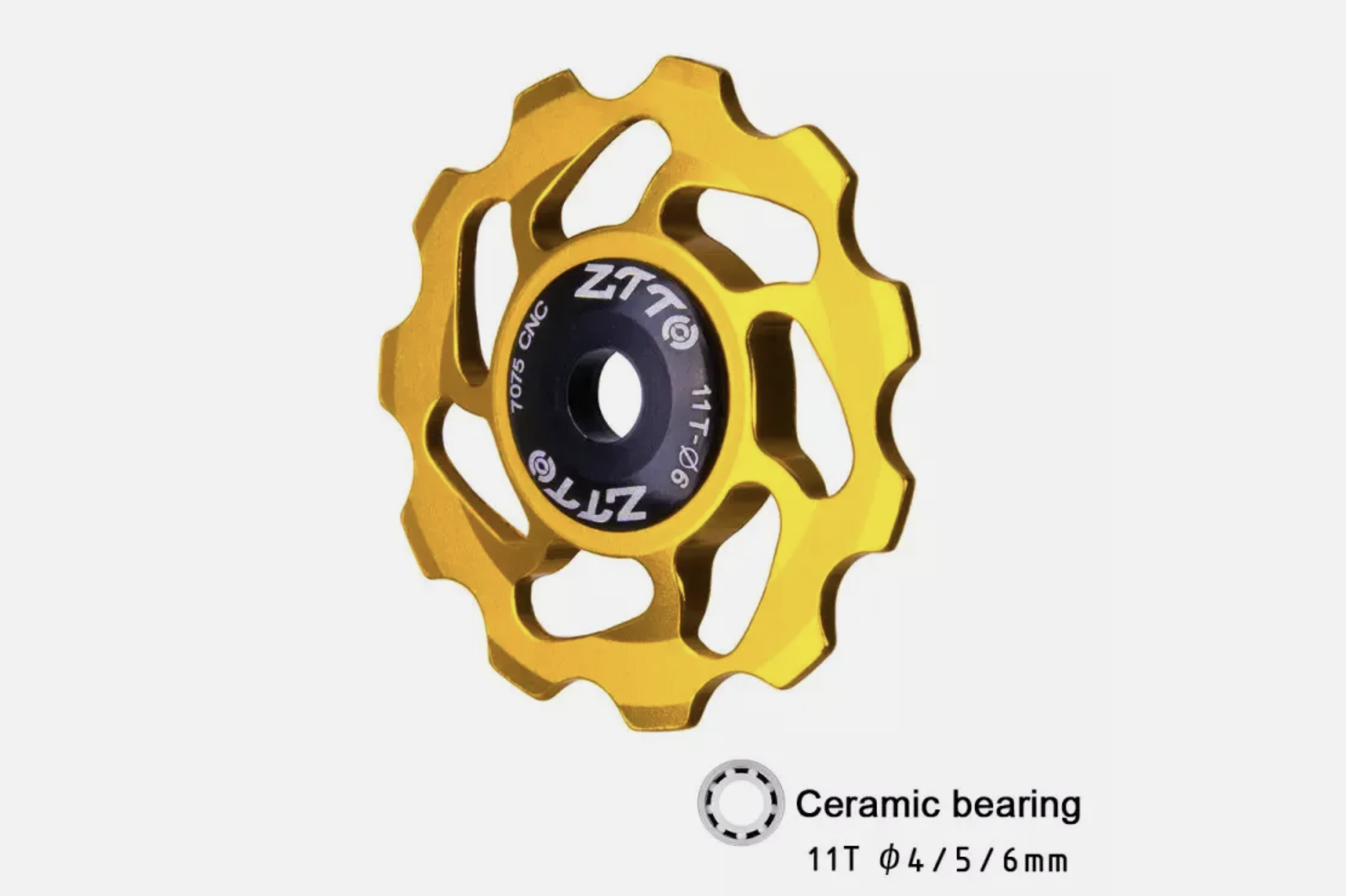
Now here is the complex part. I know Shimano is good at engineering from past interactions with products (SRAM too). I don’t know much about ZTTO, but how difficult can a pulley be to engineer properly?
Little did I know, about a 1000km later I would accidentally find that my pulley was not of good functioning form, after two chain drops where both incidents involved the chain coming off the pulley, I decided it was time to look at things. I would replace it with the stock Shimano! Upon a close inspection I found a lot of wear and a very slack pulley, slack meaning a lot of wobble in the bearing. And when I say a lot, I mean multiple mm’s, enough to throw your chain off.
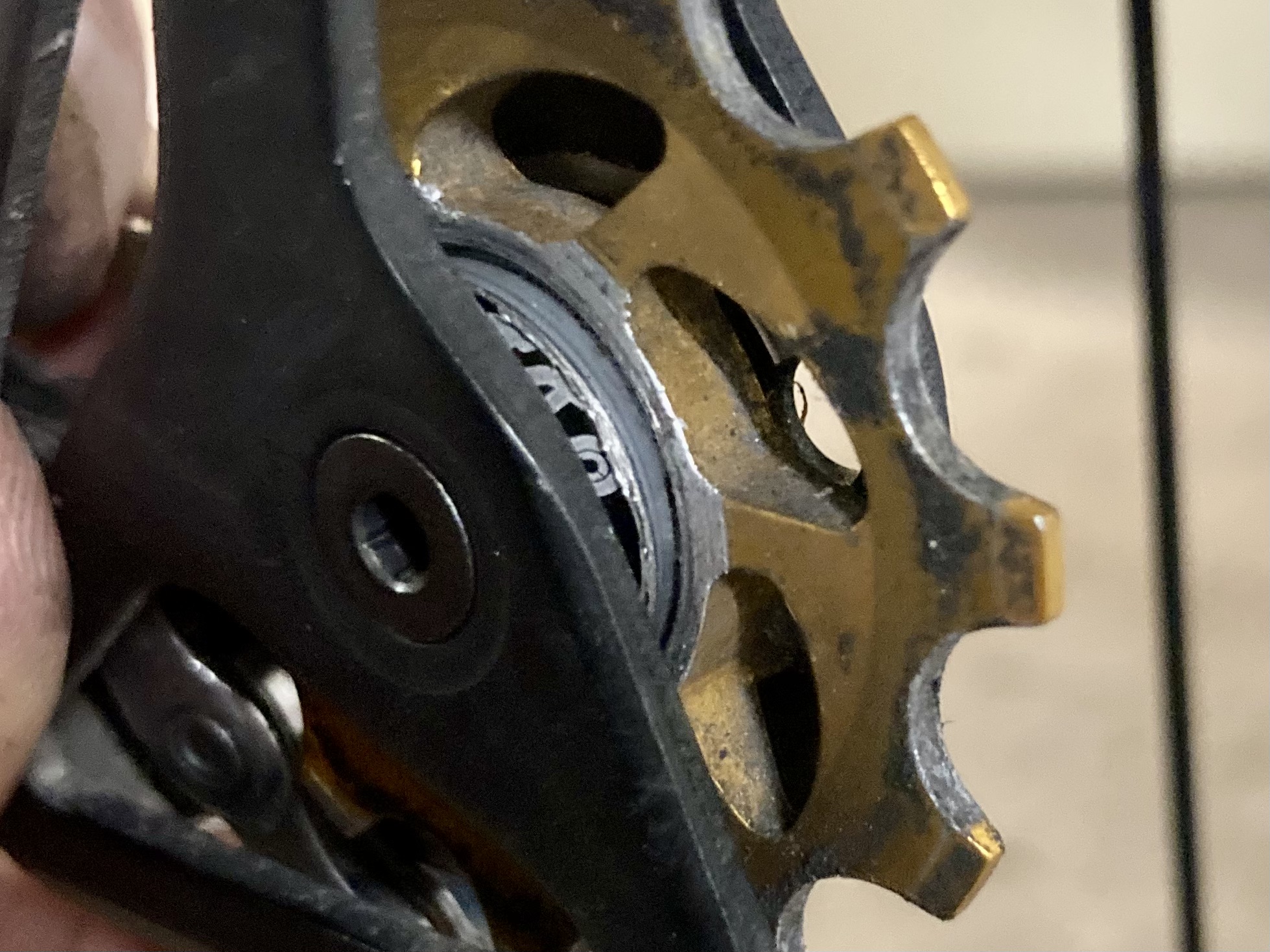
- Picture 2 shows the gouging to the inside of my derailluer cage, im not fullysure the cuse of this but it could have been the chain plate carried around after the chain dropped.
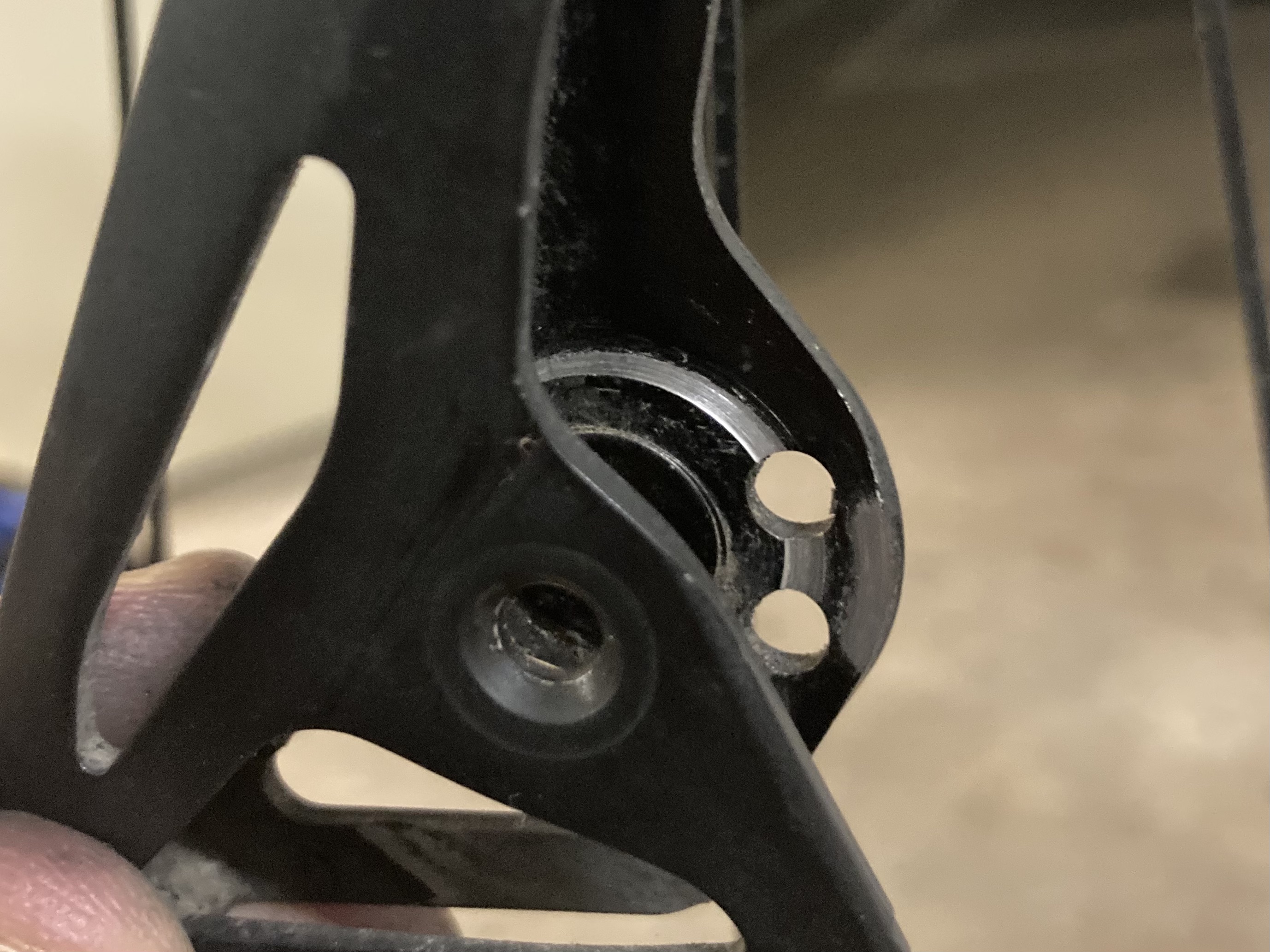
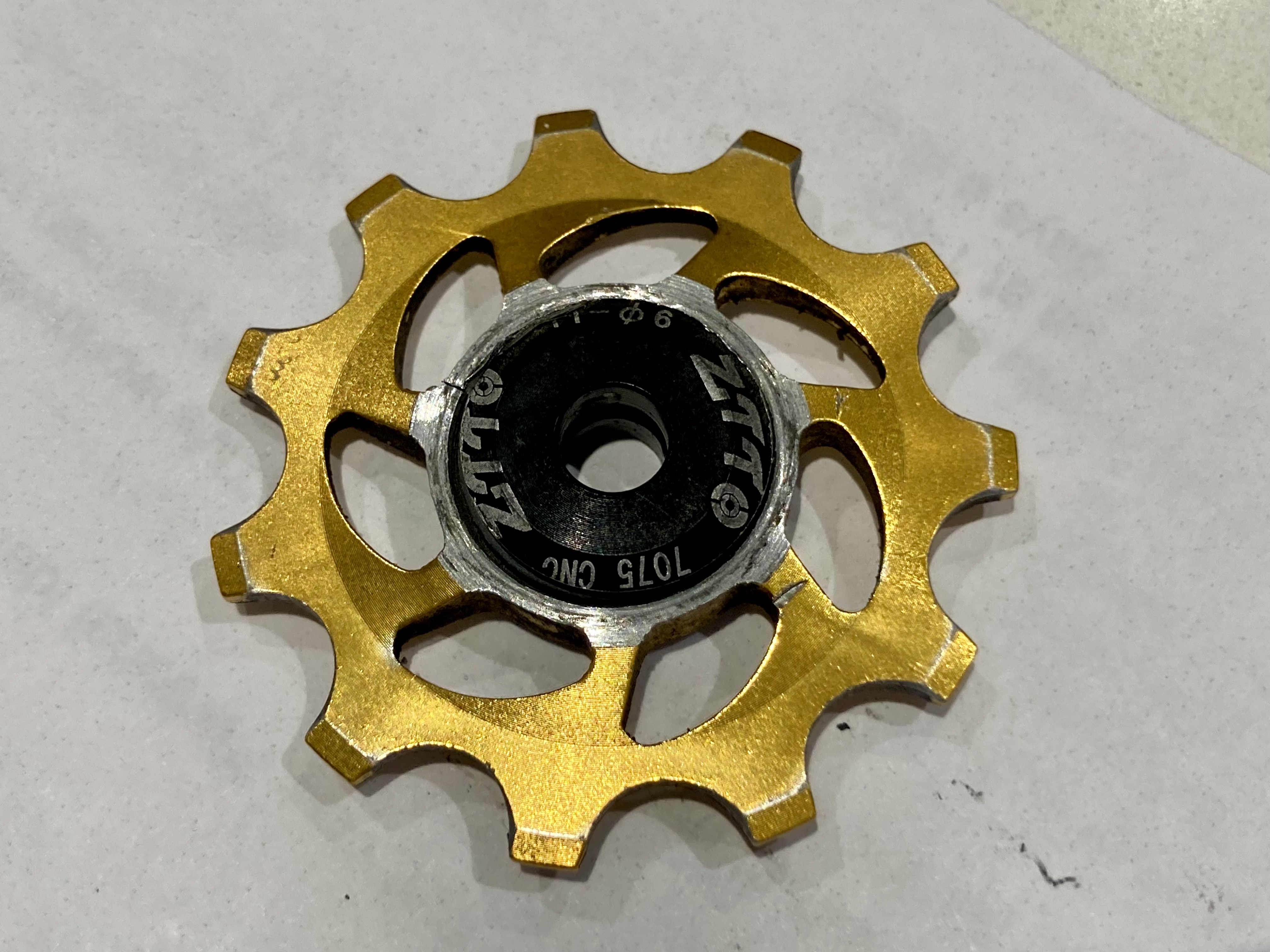
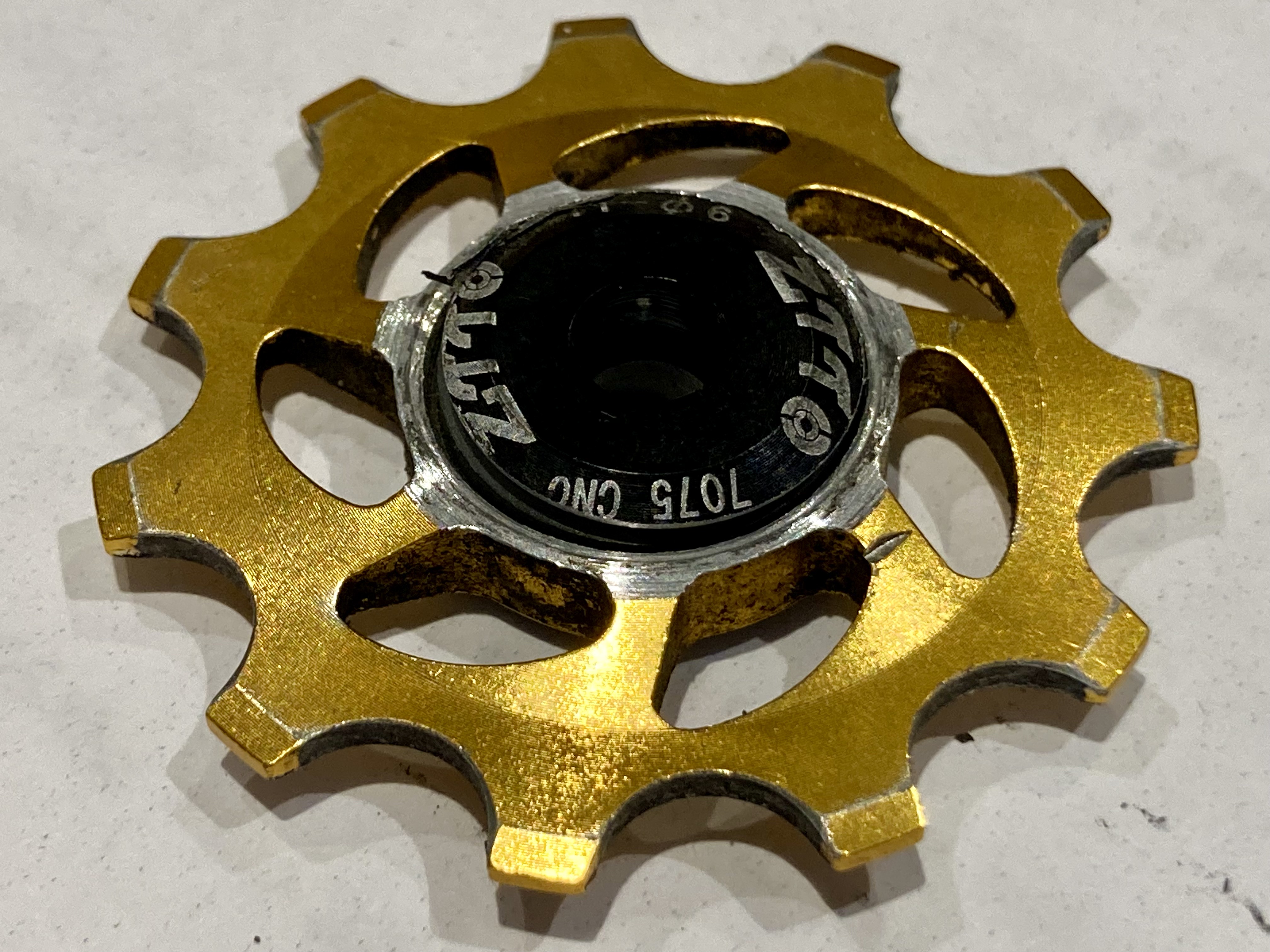
- Picture 3 and 4 show the wear on the pulley. You can see the actual teeth on the pulley are unworn and the failure is from the bearing creating excessive play or lateral slop.
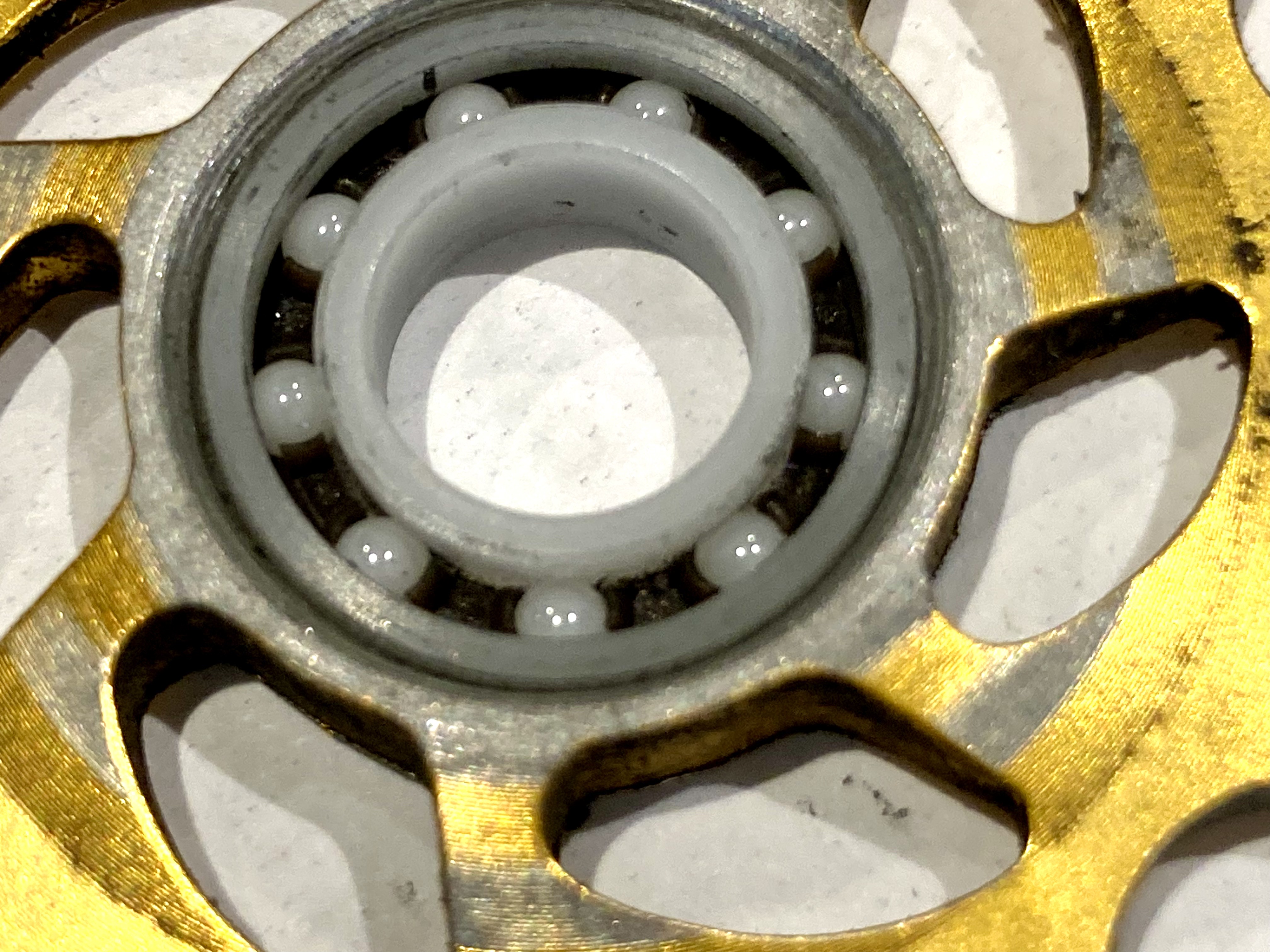
- Picture 5 shows the bearing. it’s a plastic material but what is not show here is the level of slop causing a lateral movement of the cog. The lateral movement of the cog I measured at 3.1mm at the tooth , a 12spd shimano chain distance between inner plates of inner link is 2.2mm!, so you can understand that when the bearing is this bad, it could easily drop the chain from mis-alignment.
The moral of the story, don’t underestimate the level of quality engineering needed even in seemingly simple items. If in doubt of manufacturer, use tried and tested parts from established and reputable brands.
Discover more from Buckyrides
Subscribe to get the latest posts sent to your email.
 Buckyrides
Leave a Reply