Recently TPU tubes are on a boom, maybe the negative vibes of tubeless in road media or the promise of a less fuss ride with more performance, less rolling resistance has driven this demand and driven me to explore.
As most of you know I ride tubeless in the summer and tubed in the winter. To me this makes sense for where I live and my style of riding, your style may vary of course, but let’s not get into all the fluff of tubeless vs non tubeless click bait. But, what if I had less stuff in my pockets – more room for food?, more sleek look? can TPU tubes make me more modern? Do they make me more aero <kj>
The notion of TPU tubes entered my mind with dual uses- as a thought backup tubes and for use on my winter tubed setup. I have to say in the olden days I swore by latex tubes for the ride feel and low rolling resistance, and it’s true TPU tubes have low rolling resistance. (Studies show it here at rollingresistance.com) In the Summer and Winter I carry a butyl backup tube, just in case, for the summer time it’s for the crazy emergency stuff like a sliced side wall, because most of the time a plugger will do.
In either case I cannot empasize that your life will be easier with good condition premium tyres, less punctures more reliability overall. Which means knowing when to replace and reading reviews on the good stuff to buy… cough… skip the Goodyear F1’s.
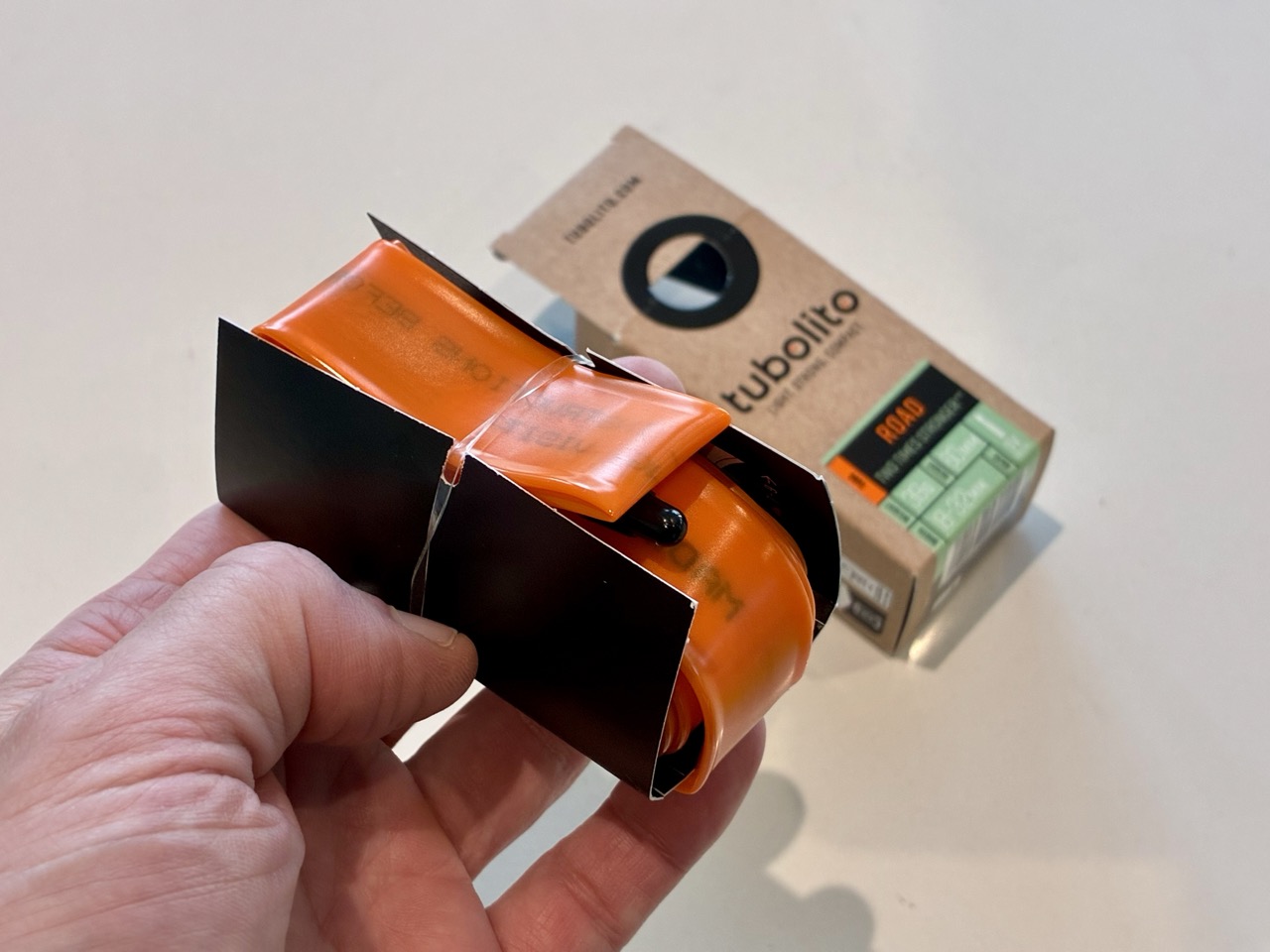
After getting lost in a research worm hole of brands, amazon, alli baba and all sorts of manufacturers I decided to purchase some Tubolitio, now let me emphasise that these are not cheap, nor are they the most expensive ones. At $28 each, they are easily double the price of butyl tubes from a local bike shop. On some websites I managed to find off brand TPU tubes for as little as $14 for two on amazon which really makes me caution how well manufactured / quality they will be at $7 each. Research also told me that TPU tubes can be hit or miss, sometimes failing in the field when most needed, this scared me, as often when I need a tube, like most people I am tens of miles from home, and many miles from alternative transportation.
Tubolito are in fact the manufacturer thats been around the longest and they are in the mid price range. This was good for me, mid pack and history and development to make them reliable and work out the kinks.
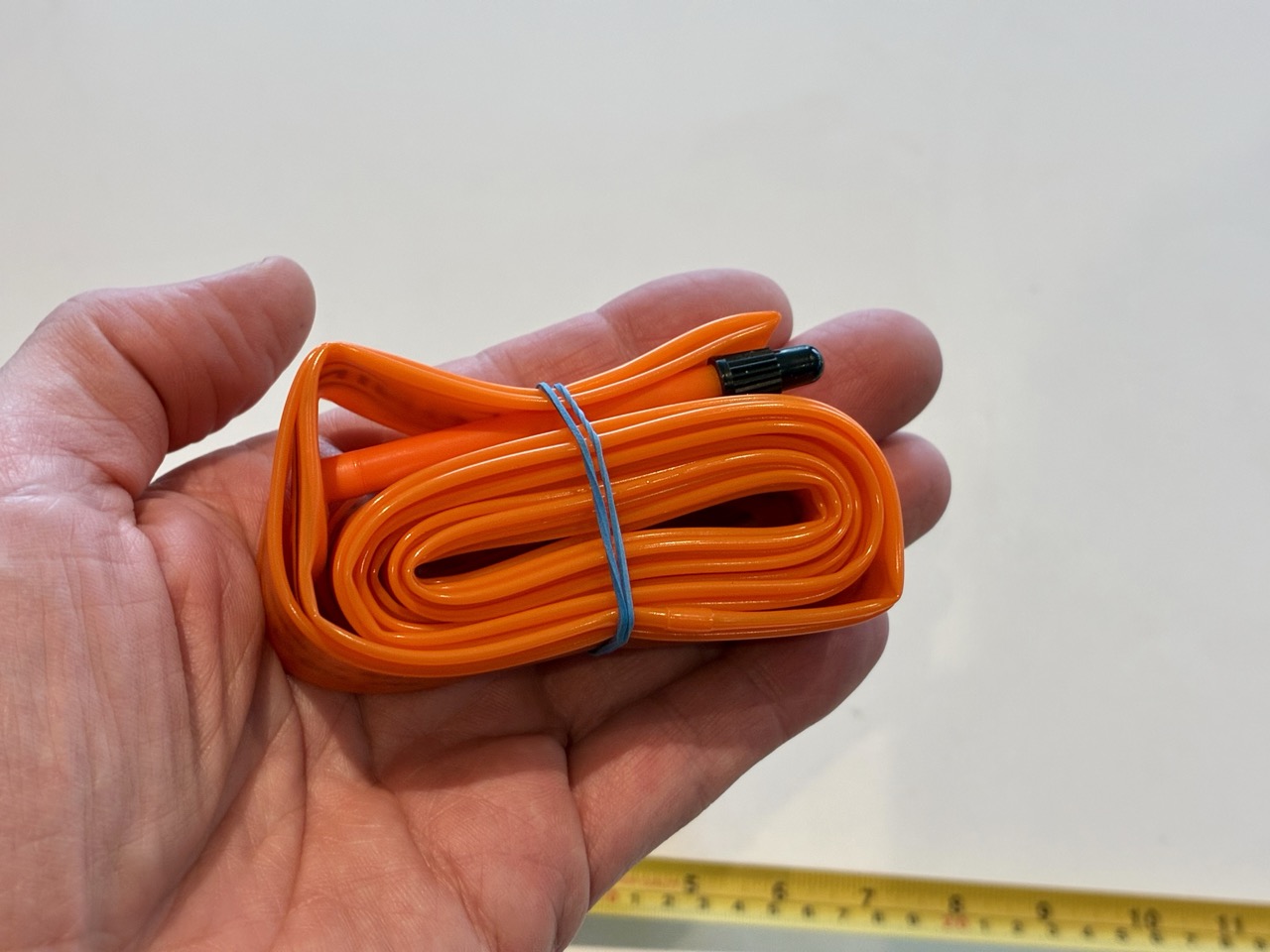
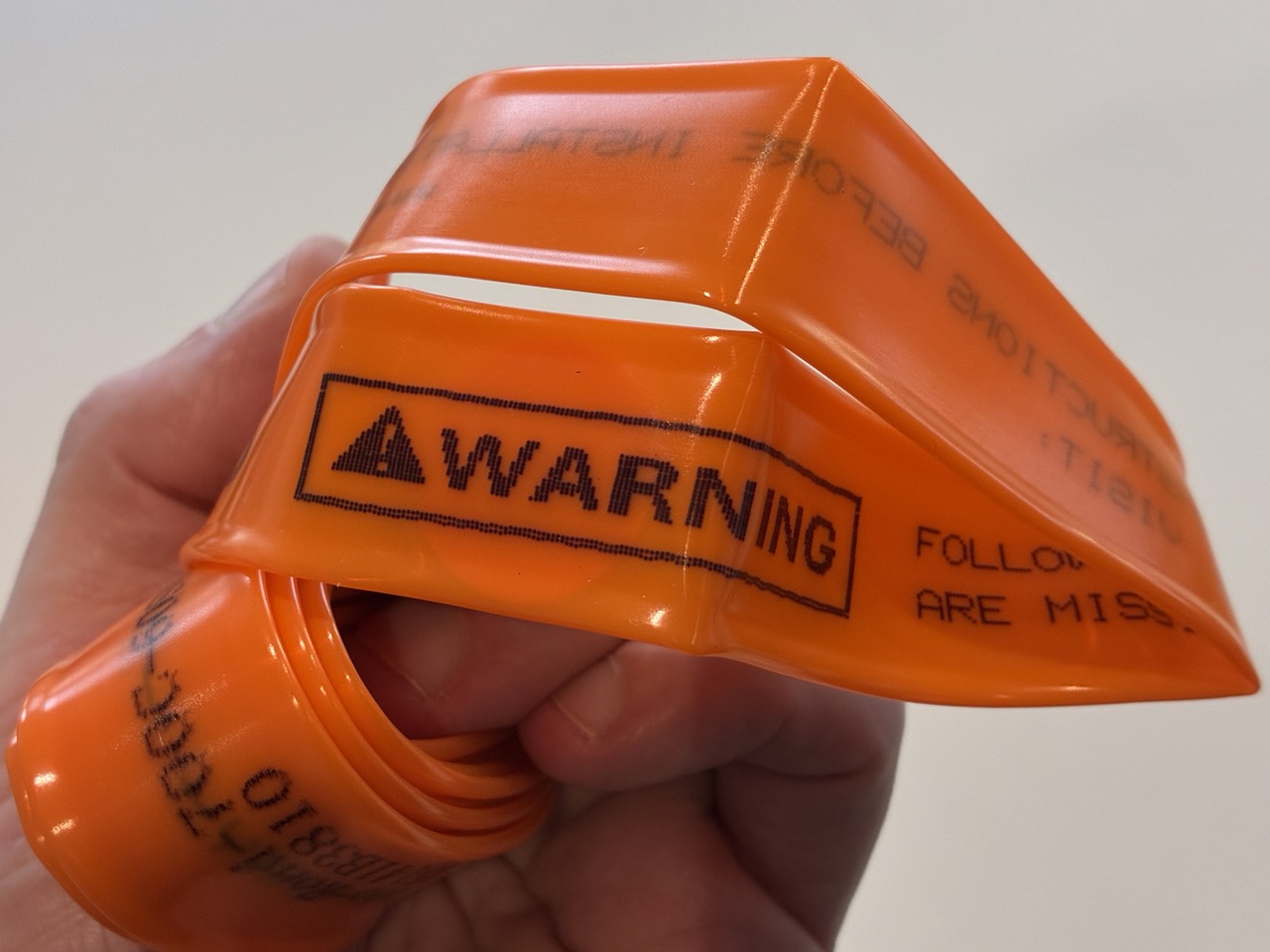
Note here you can see how the manufacturer packed their tube, they didn’t roll it up as seen in some photos and it wasn’t super tightly wound. The base of the valve is on the left and stays flatter the way it is packaged. Food for thoughts later in this article.
The Spec Comparision Table
| Tubalito TPU Road | Butyl (Rubber) Standard Tube | |
| Price | $28 (2.3x butyl) | approx $12 |
| Tyre Size | 18-32c | a 28c can be used on a 25, 30 32c |
| Repairability | Needs a special kit | Common kits and patches |
| Number of precautions | Many, see text below | Not Many |
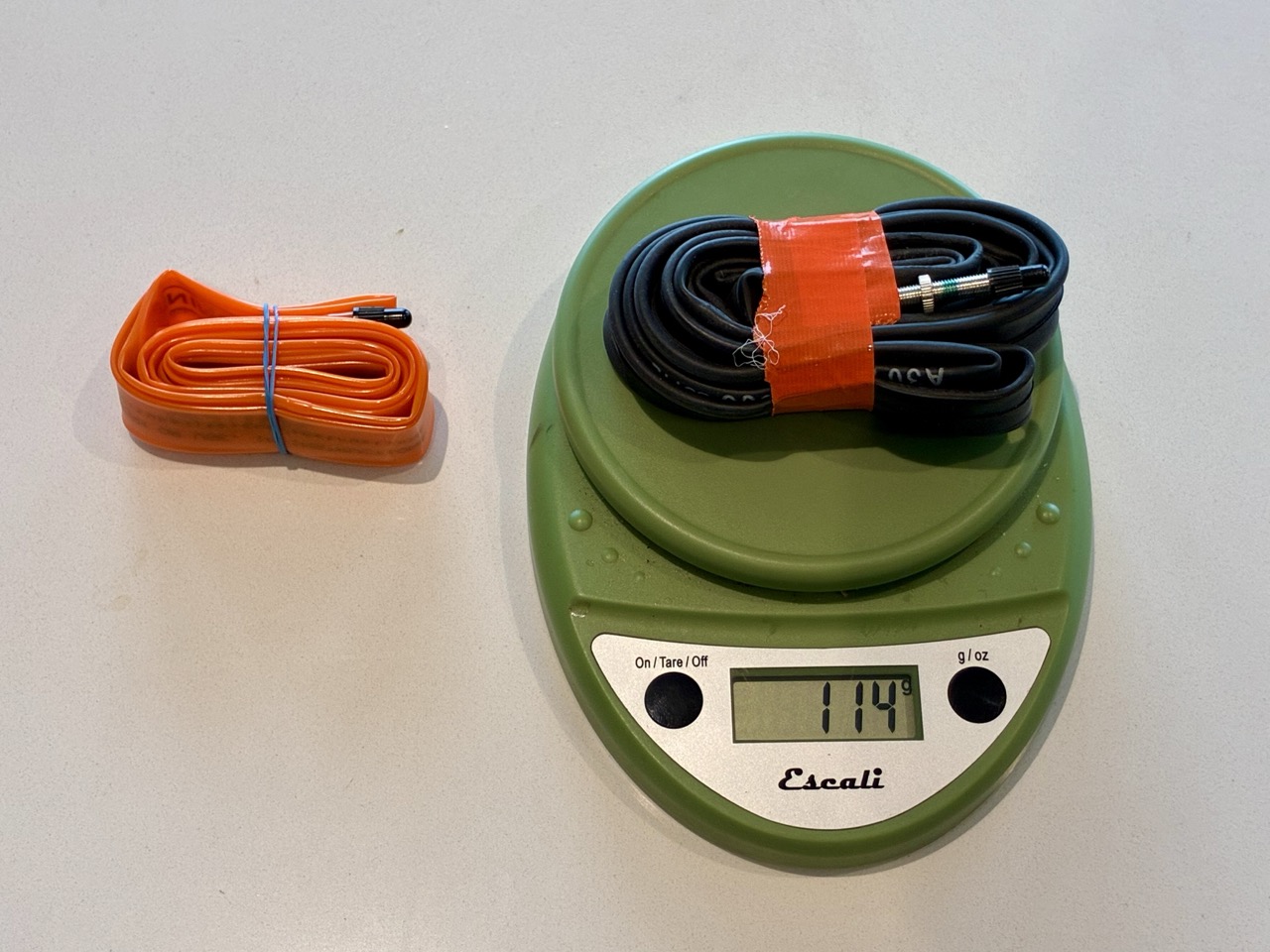
| Weight | Approx 40grams | 114grams |
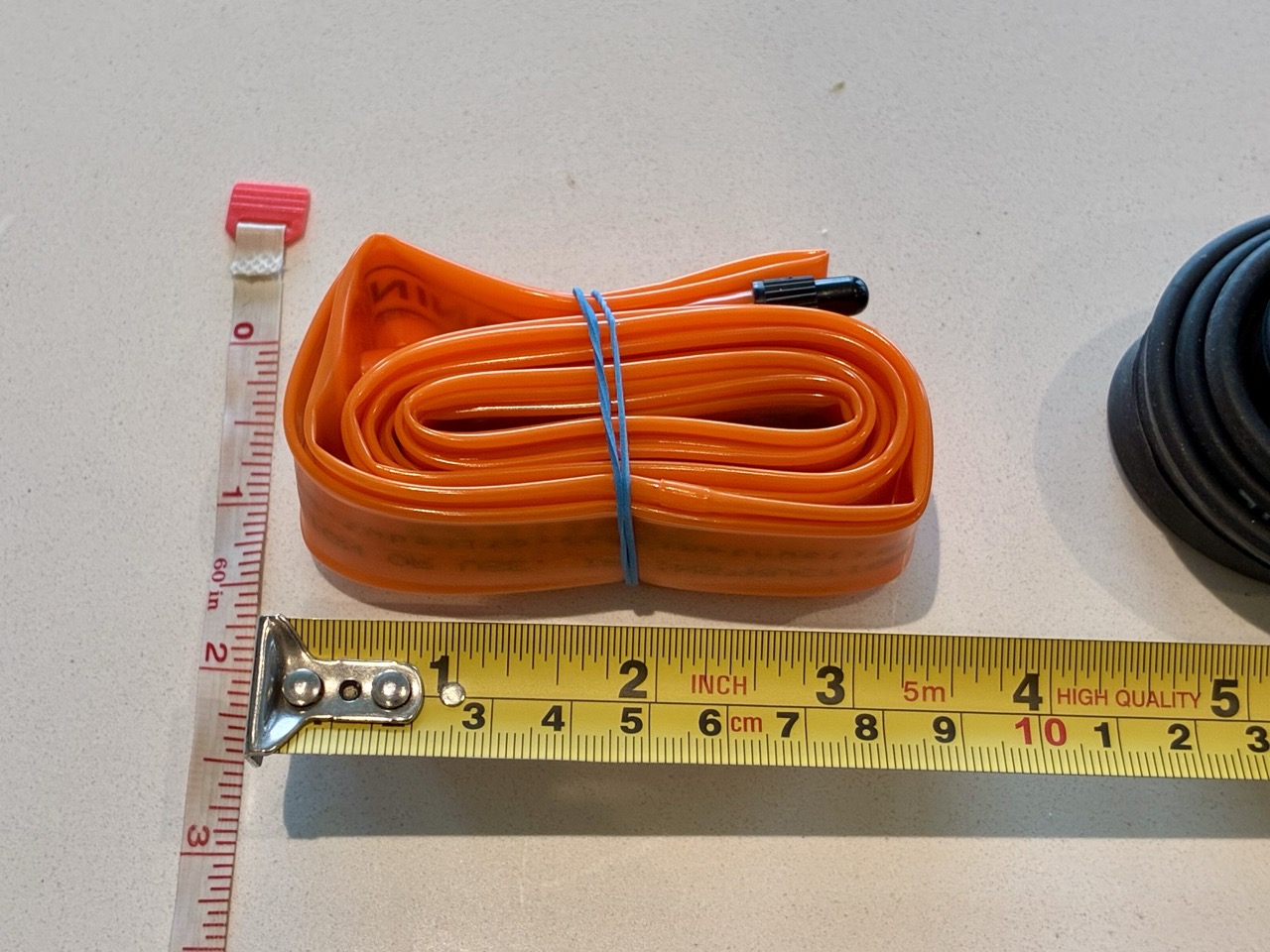
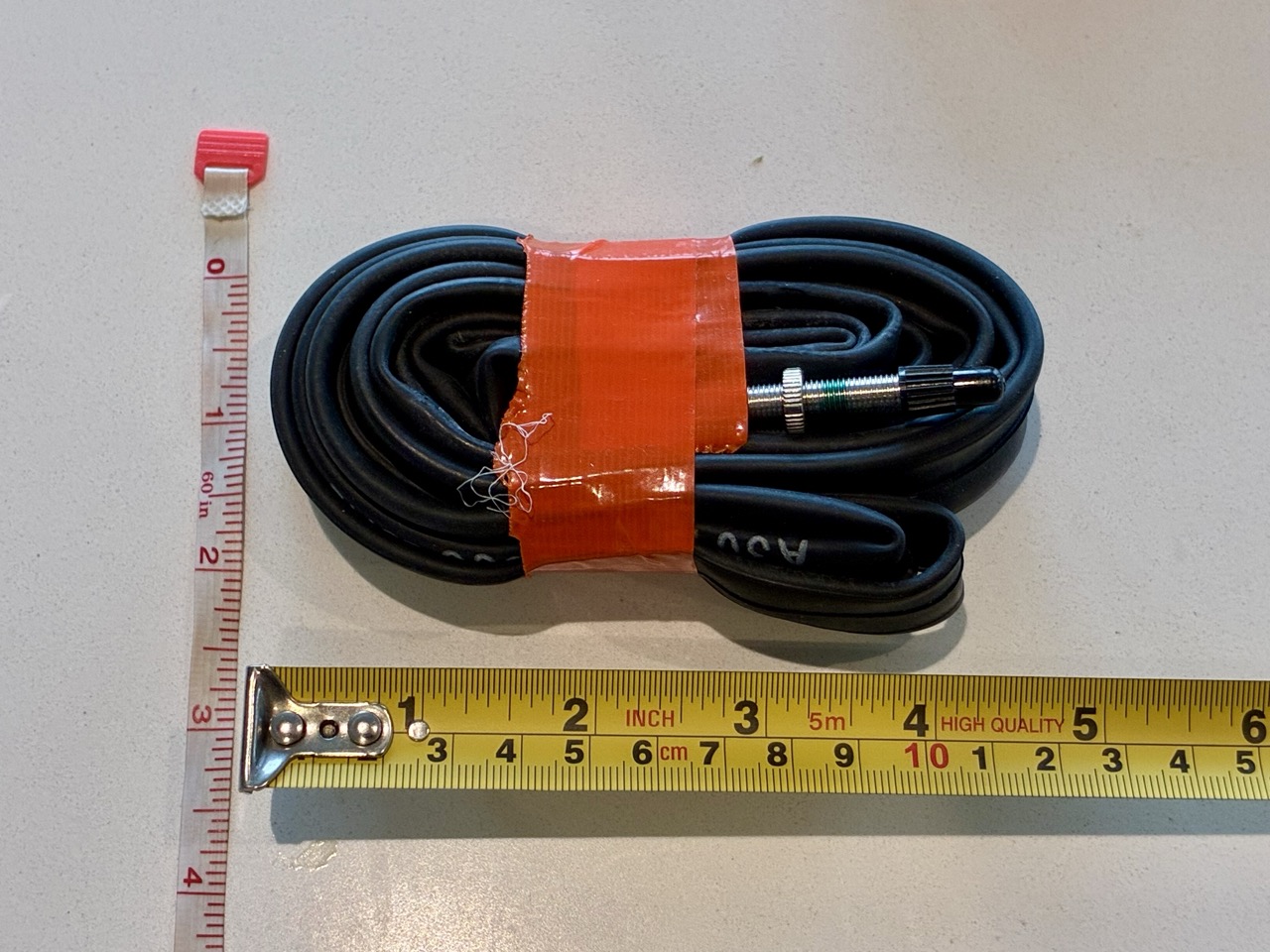
| Physical Size | Approx 1/2 size | Baseline |
| Rim Brake Restrictions | YES- you cannot use the lightweight “S” versions | No restrictions |
| Rolling Resistance | 13% less (-2watts at 18mph) saved compared to standard butyl S type is 19% saved | Baseline of 14W , (80psi, 18mph) |
| Thickness Of wall | 0.3-0.5mm (12-20Mil) S Type 0.2 – 0.3mm (7-12Mil) | 0.9-1.2mm |
| Valve Cores | Metal Non Removable – glued in | Metal Removable / Replacable in most |
| Valve Stem Material | Plastic Composite | Metal |
| Screw On pump head (Lezyne type) compatible. | Yes | Yes |
| Note: | Tubolito’s don’t come with a repair kit, it’s an extra $5. A lot of TPU tubes now come with kits included. |
Material
Plastic right! TPU is basically a thermoplastic of the urethane variety – very common used from sneakers to auto parts – this material is made into a thin film tube that is extruded then overlapped and glued. The downside to this plastic material is once stretched it will not return to original size, it’s not as elastic as butyl (see Size below)
Some manufacturers make TPU tubes with Metal stems, this is less popular than plastic valve stems, probably because it raises cost. But there have been some comments on the internet about concerns with plastic valve stems, due to heat from electric pumps and the ability to change a valve
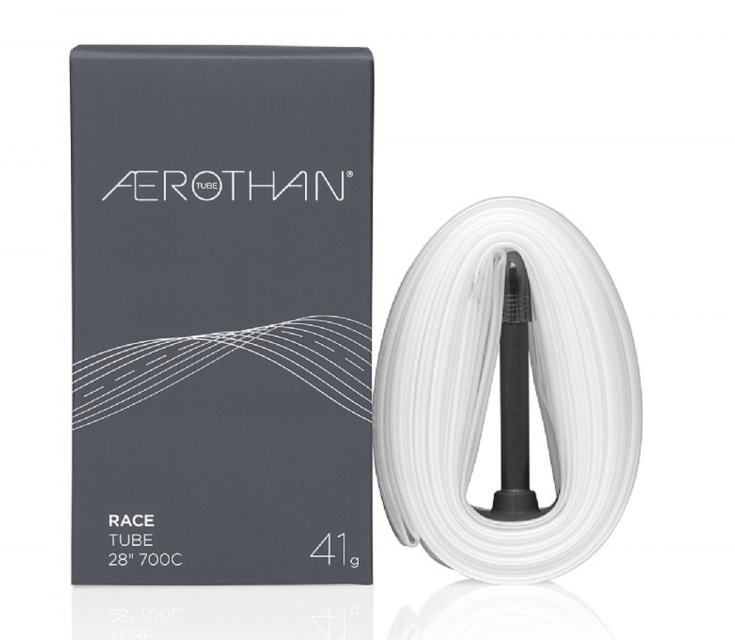
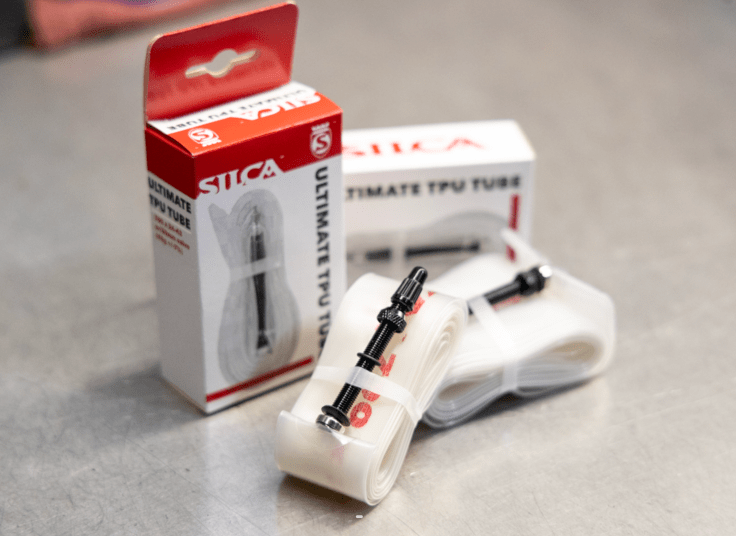
Silca an American brand and Eclipse a german brand make TPU tubes with metal valve stems
Weight
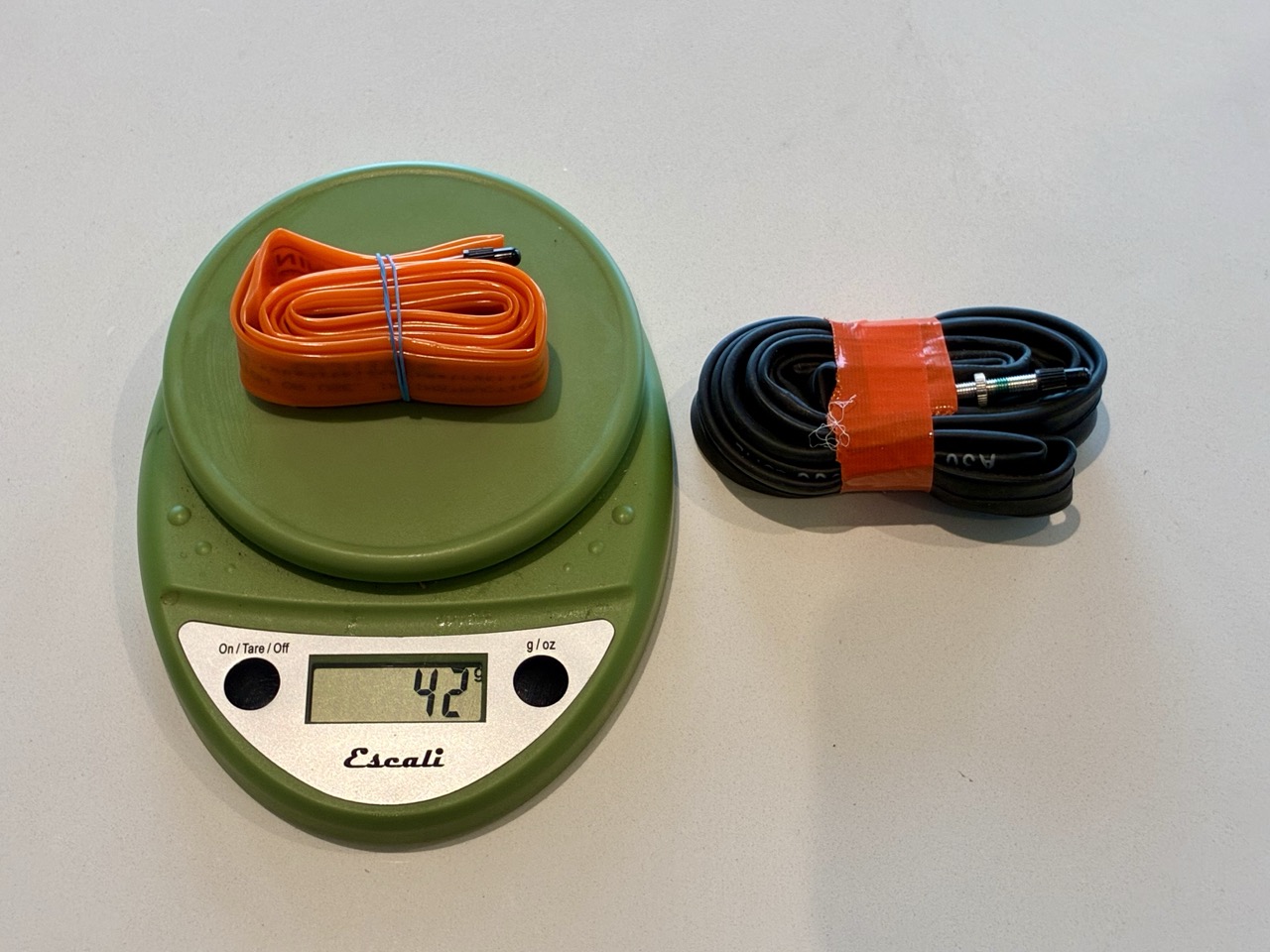
Generally, It’s much lighter than a standard rubber tube, Noticeably. often TPU tubes are less than half the weight.
I purchased Standard Road (not the super lightweight), came in a 43 grams with a 60mm valve stem. Thats over half weight saved, lighter than my measured 28c standard butyl tube. it There is a thinner super light version called the S which comes in at around 22grams, the thickness of the material is supposed to feel unreal because it is very thin yet durable. I stuck with the Standard thicker even more durable.
For riders using them all the time, not just as an emergency tube this is a great weight savings at the wheels. On a pair saving 114g is great and ride noticable.
Some manufacturers also make lightweight versions. The weight savings is saved by using thinner TPE wall thickness of material, thin ones being 7-12Mil. You will also find the lightest ones don’t have metal valve stems. Currently the lightest I could find were a claimed 19grams and about $11 each on Amazon, Tubolitos are 23grams – estimated wall thickness would be 6 to 8 Mill = very thin
Physical Size
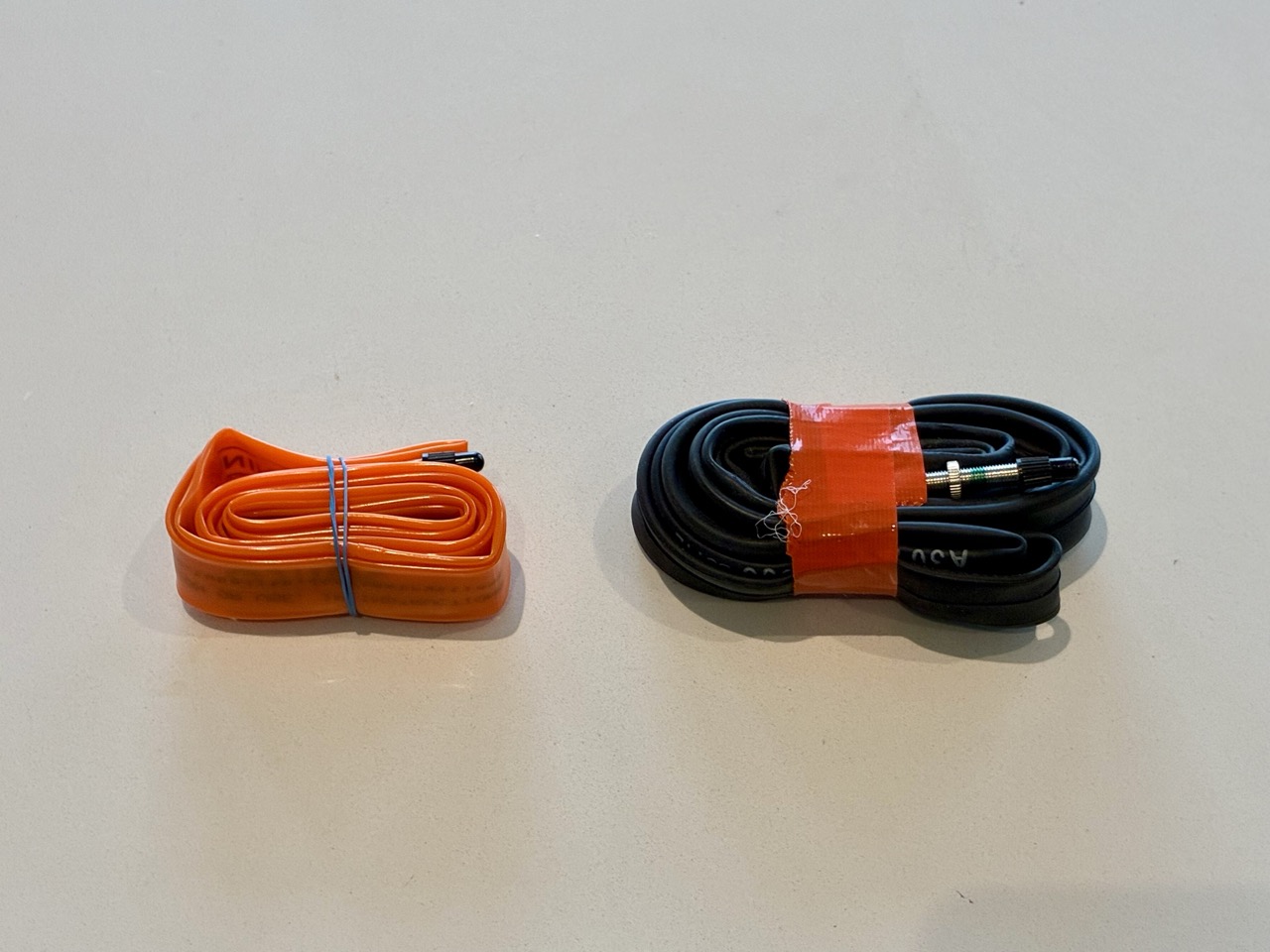
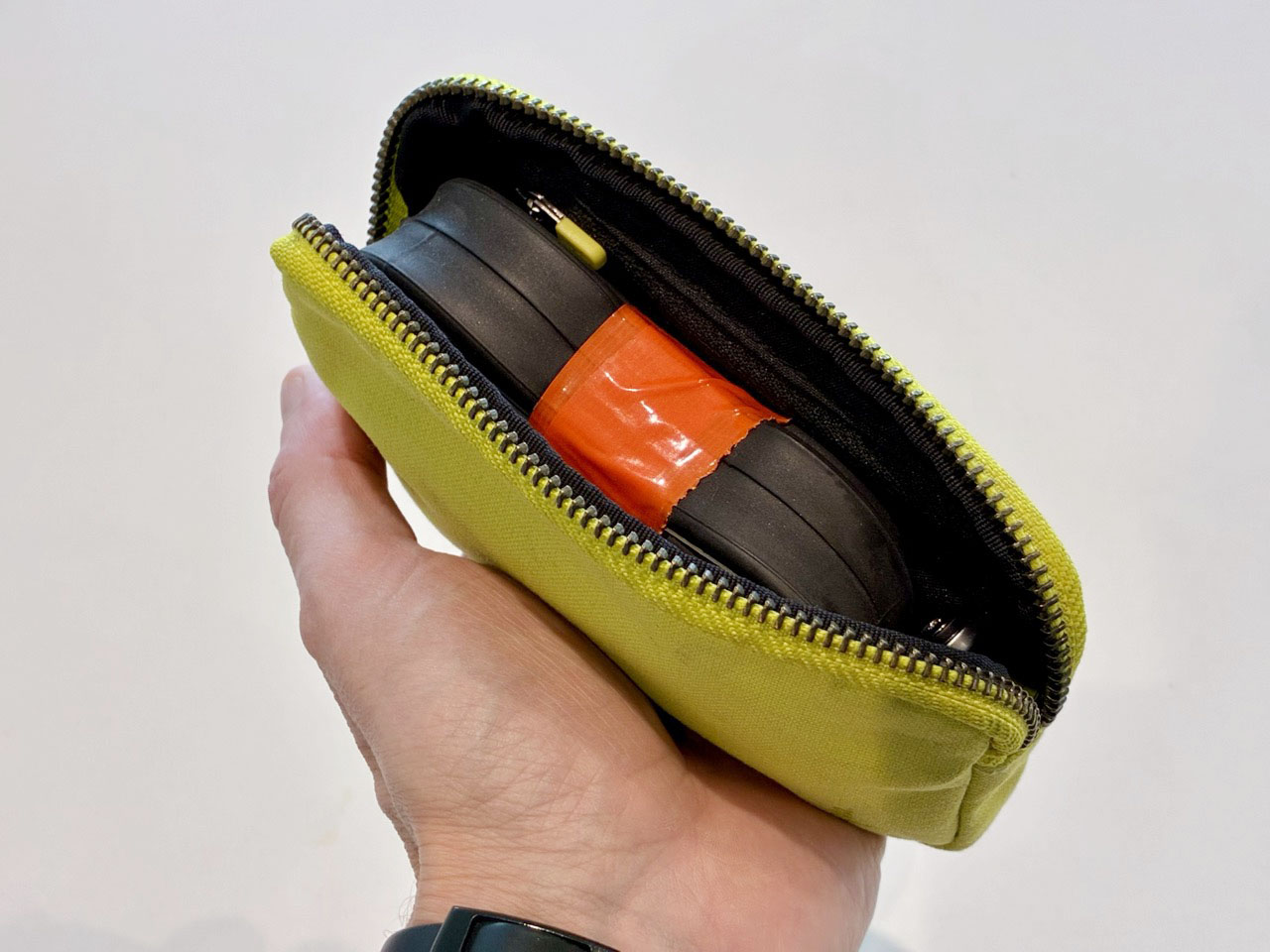
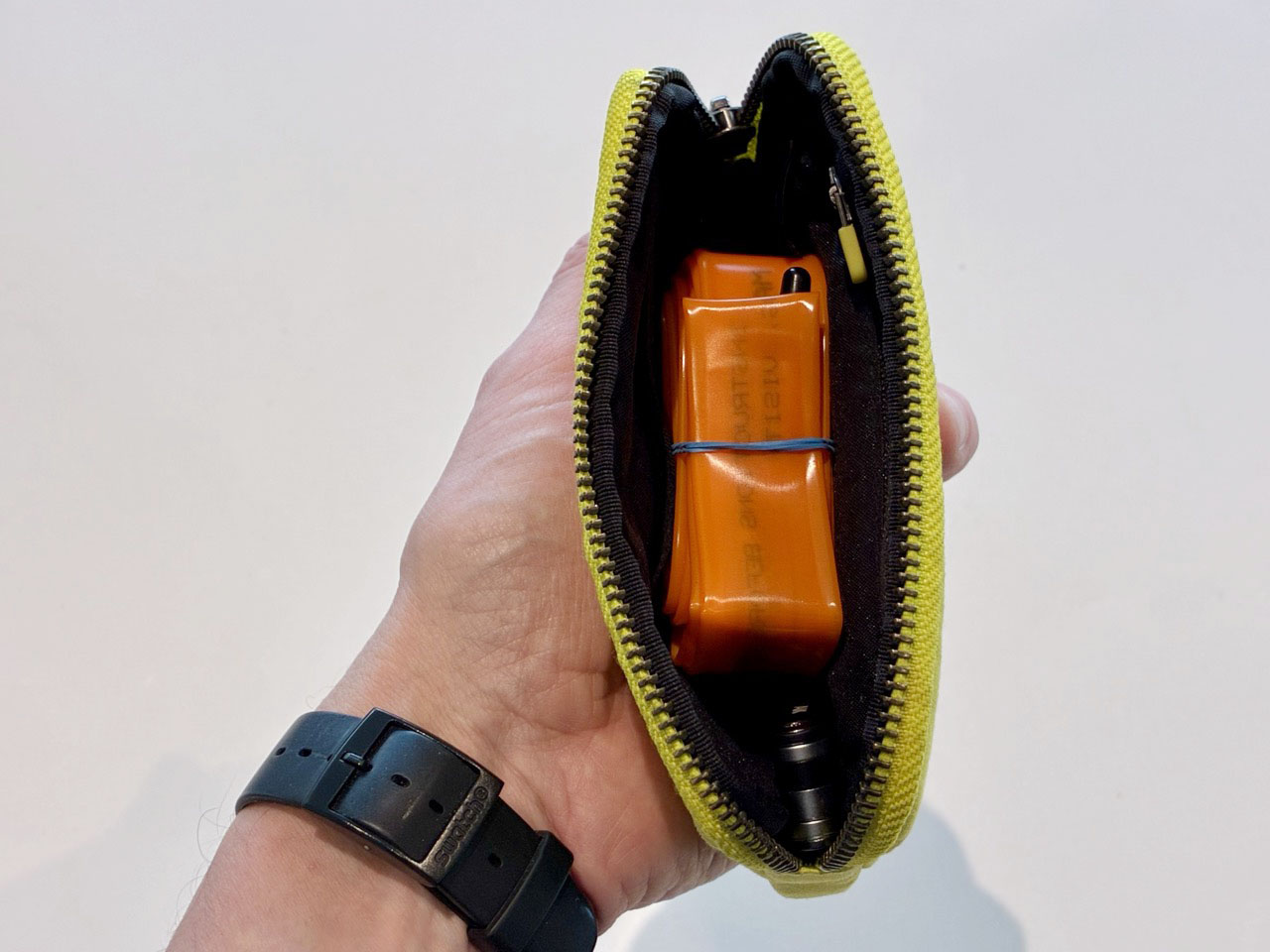
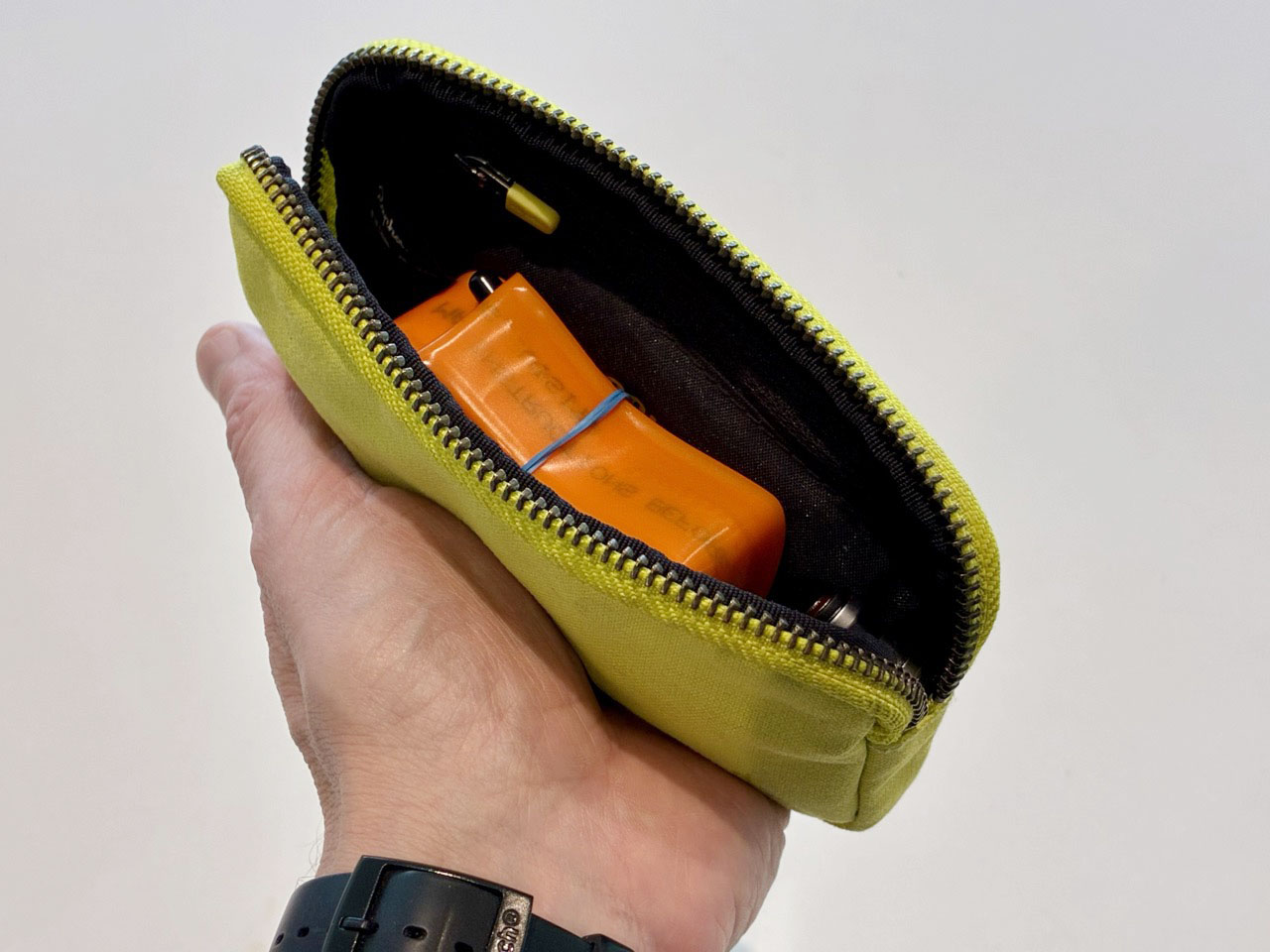
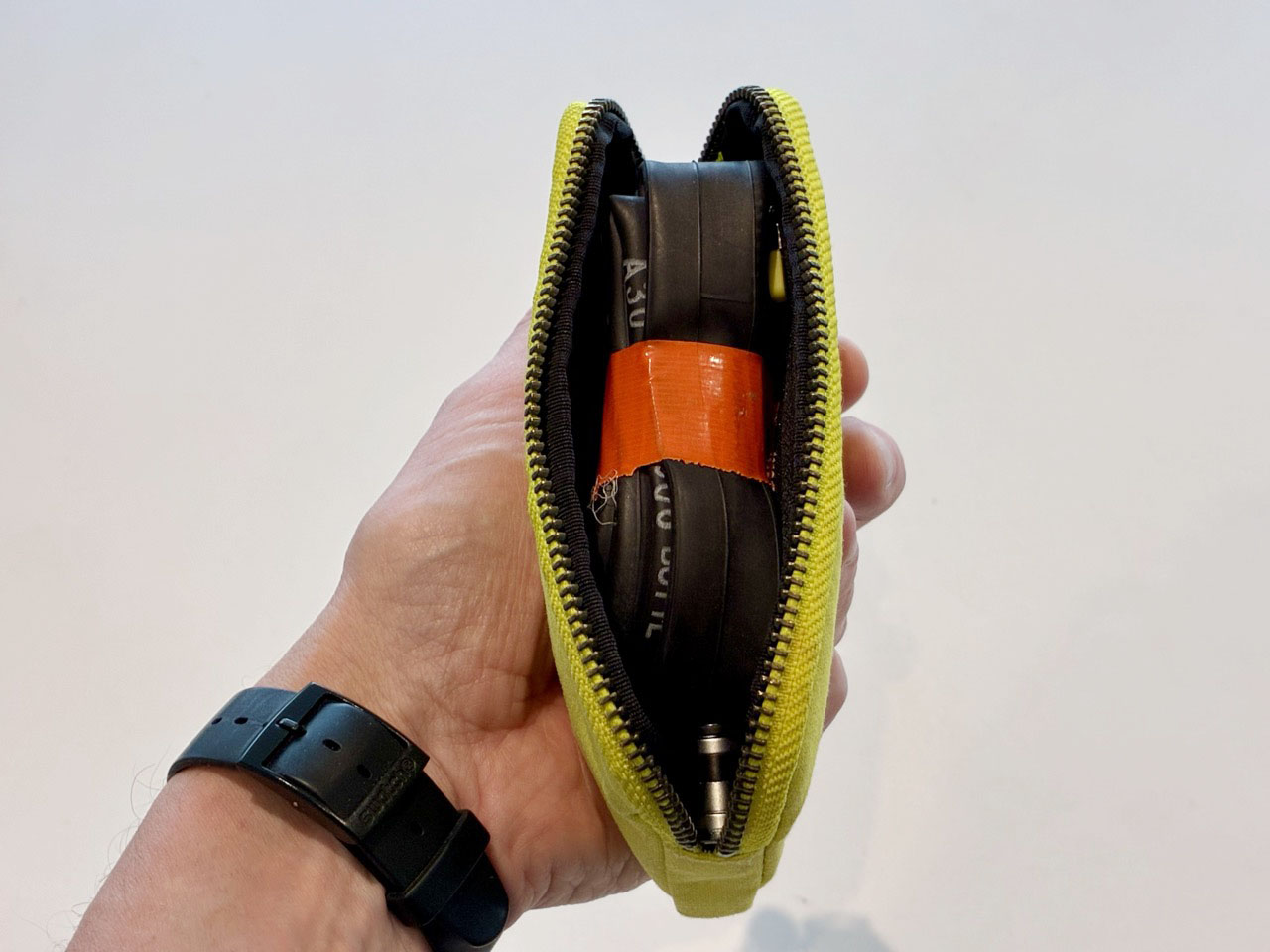
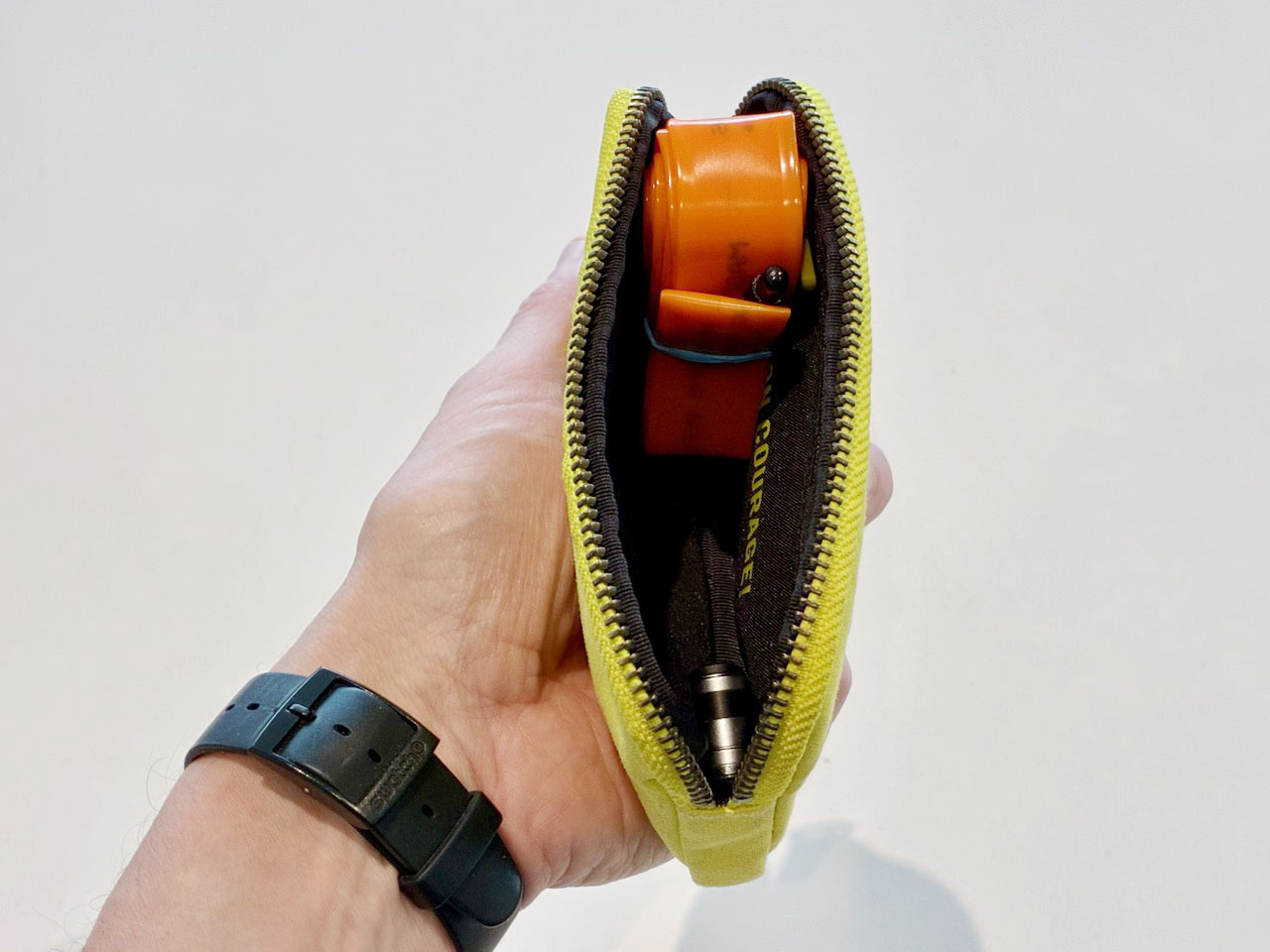
They are at approximately 1/2 the size of a regular tube, and in my little wallet thing I will be able to get two Tubolito tubes in the same space as one butyl. This also means if you just stuff one in your pocket, with the low weight and small size you will hardly know it’s there. (In the pics the Tubolito tube was loose(er) because I didn’t want to damage it, the butyl was folded tight ).
A fitting note: some what related to size, TPU tubes will stretch and not retract. If you fit one in a 32c tyre, you cannot swap it into a 28c later. Not the case with a butyl and given the cost this is worth noting.
TPU Precautions that differ from standard inner tubes
- A tpu tube that has been used in a larger tyre cannot be then used / swapped to a slimmer tyre. The plastic material stretches and doesn’t return.
- It’s more critical to get the valve stem perpendicular to the rim (not a big deal), I think this has to do with
- TPU tubes are more sensitive to heat and awareness should be taken with rim brakes that can cause more heat.
- More sensitive to failures due pressure changes from to temperature swings, as TPU tubes are not as elastic as butyl so manufacturers make sure to warn you about rising temperatures and the dangers of overinflation. “A temperature increase of 3° C (5°F) produces approximately 1 % increase in tire pressure (fig. 7). An inflation of the tire in a cool garage in the morning (at 65°F) and a ride at higher ambient temperatures later in the day (at say 95°F) can lead to a pressure increase (for example) of 0.5 bar / 8 psi. This is especially the case when riding on very hot black asphalt where temperatures can exceed 150°F”
- Cannot be inflated more than 8ps outside of the tyre, this will deform the tube
- Non replaceable valve cores (Silca now make one with a replaceable)
Concerns with TPU tubes that came up in research:
Heat management
Concerns with electric pumps and heat – electric pumps generate a lot of heat. Some TPU manufacturers now use full metal shafts (Silca link) but many still use plastic to save weight and cost.
Pressure Leakage
On TPU tubes there have been concerns regarding pressure leakage, where the very top metal valve is screwed into a the plastic stem has been a problem for some. Some manufacturers have taken to using metal stems to manage heat and maybe the actual valve.
Construction / manufacture / engineering
Concerns with binding of the plastic valve stem to the tpu tube also arose, some say not as durable as butyl and have seen failures. Please note my point on rolling and storage.
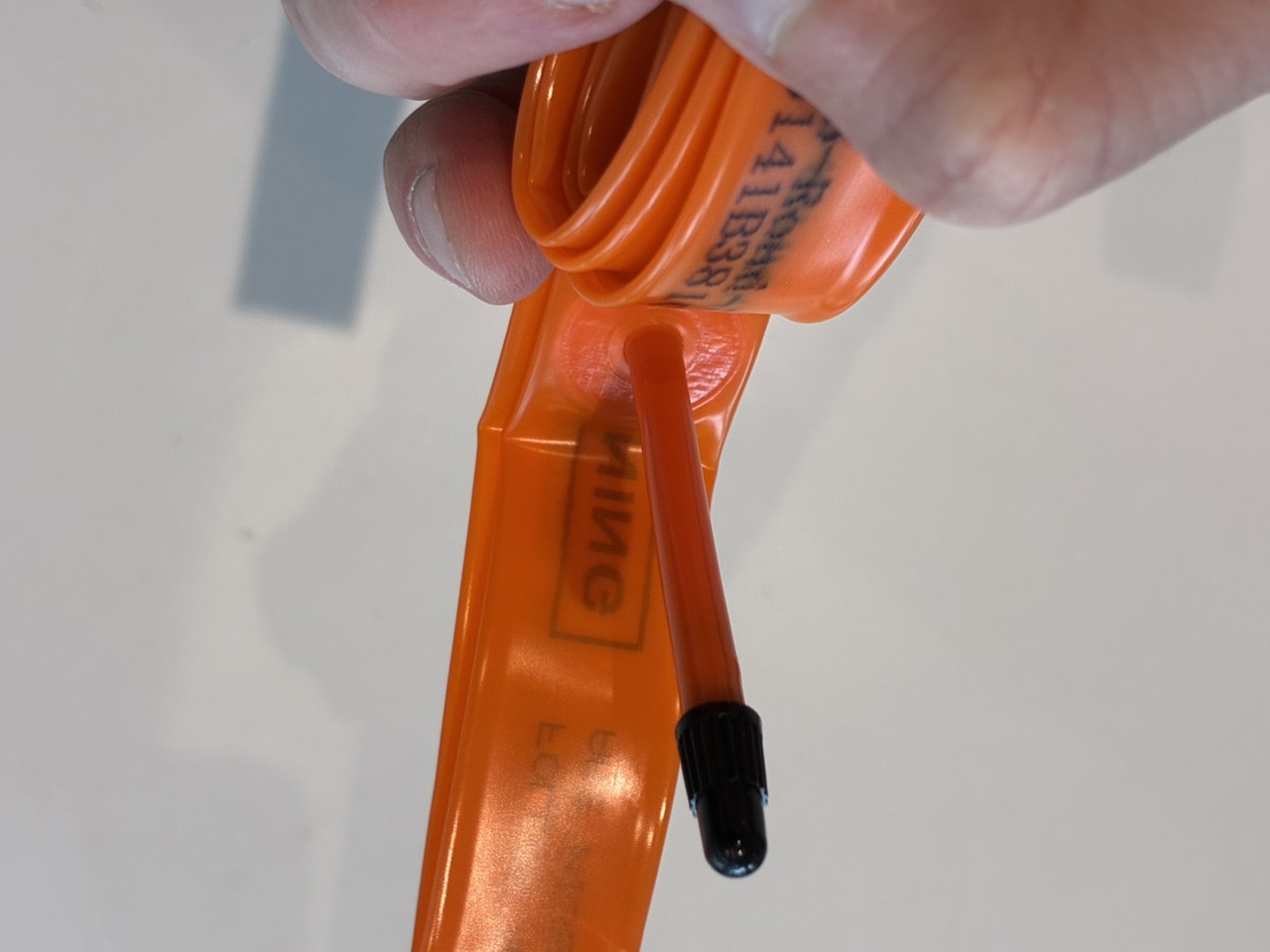
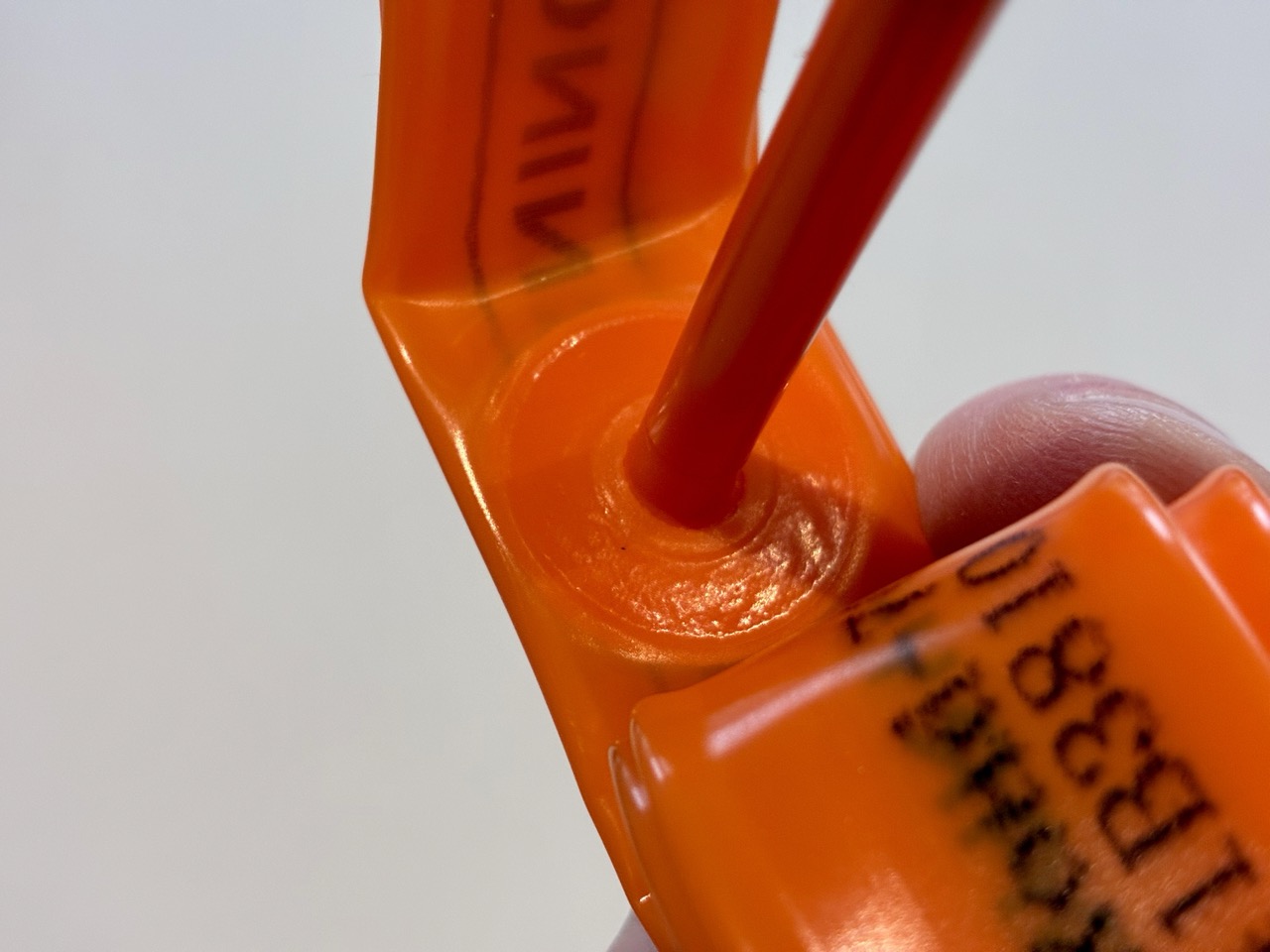
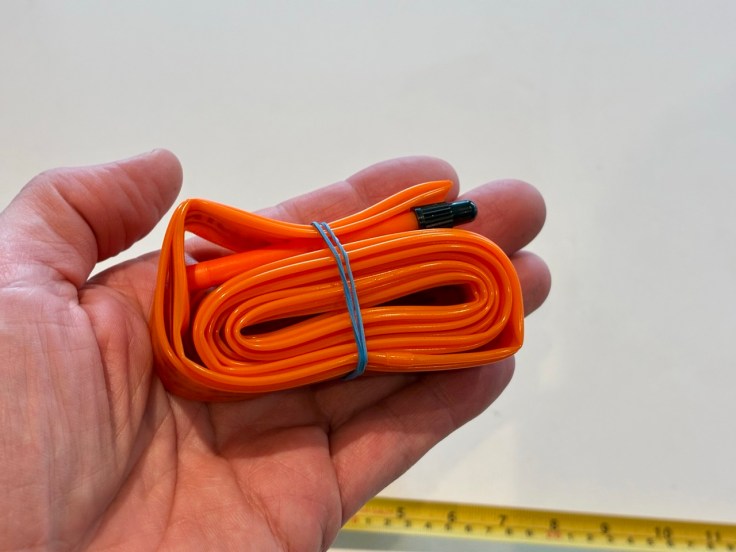
You will notice that many TPU tubes are shown rolled up(as below), I think this is to show the smallest physical size, but you will also notice that keeping the tube this way then puts additional stress on the bonded valve area.
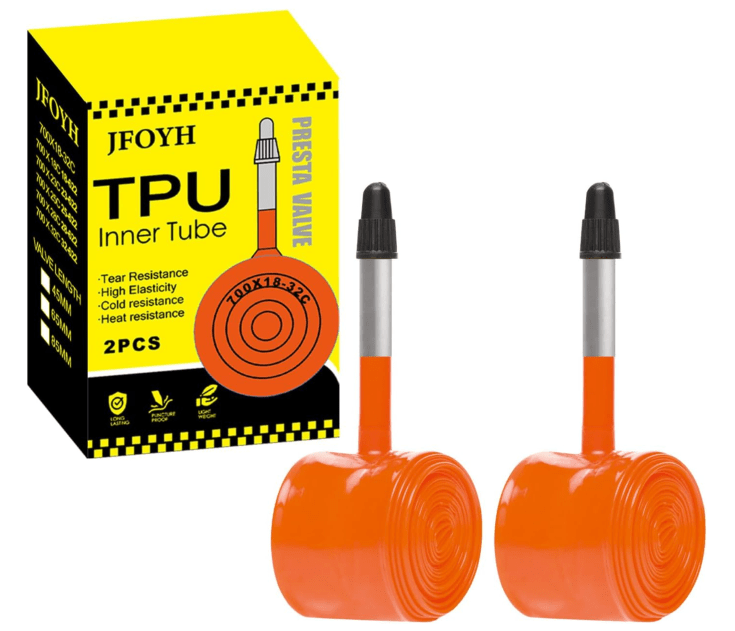
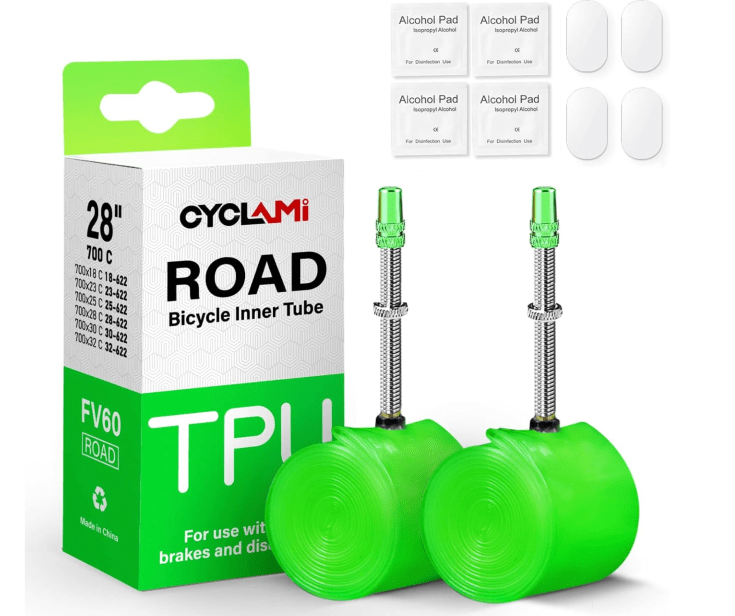
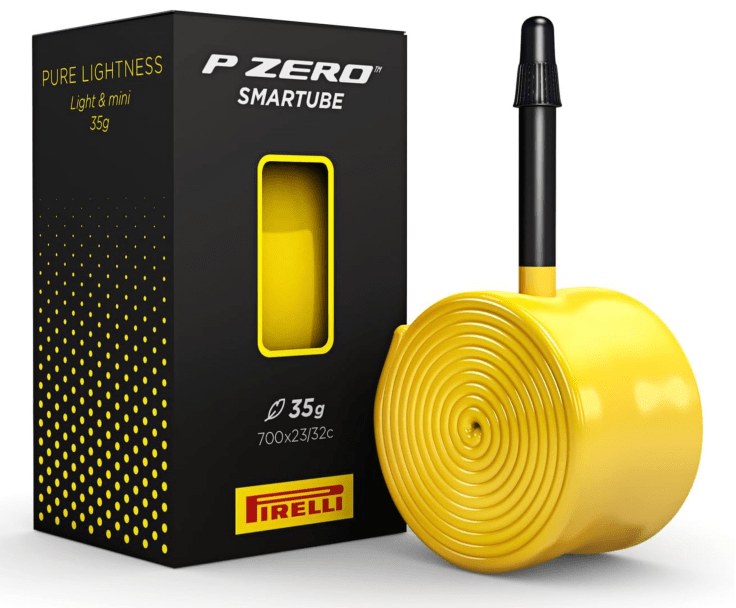
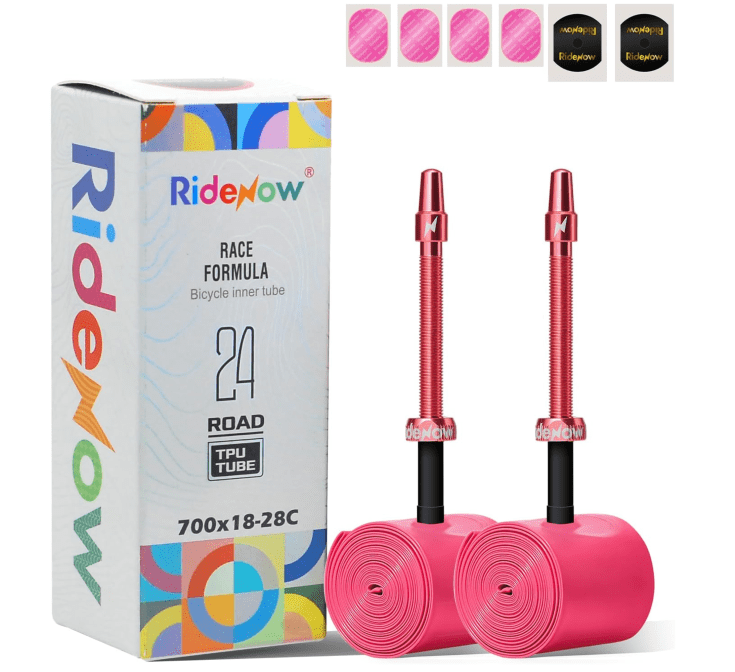
This (below) seems like a better way to keep / transport your tubes and prevent damage by putting less pressure and flexing on the valve stem bonding area.
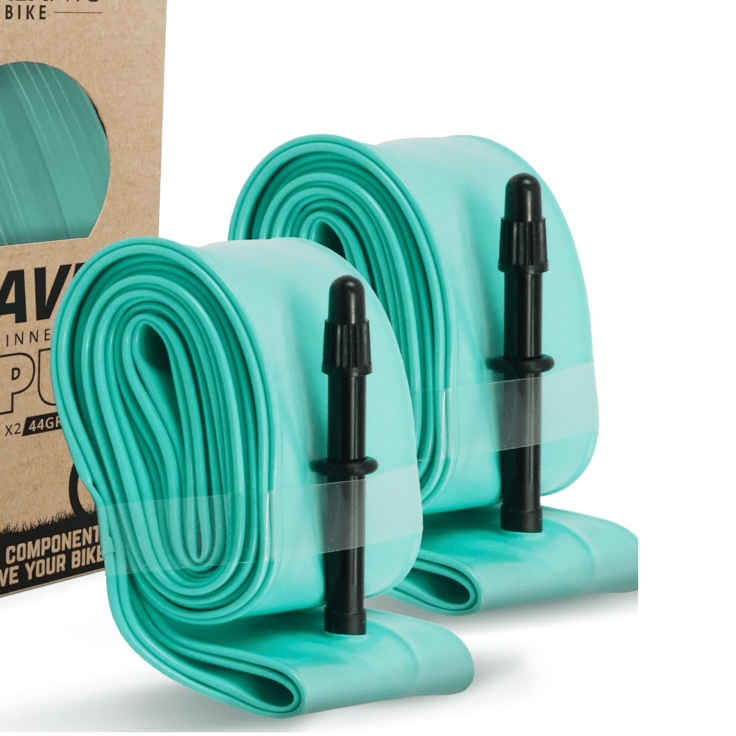
Let me know if you have cheap tpu tubes and how they have been.
If you aren’t using TPU tubes, what’s holding you back?
Comments & Thoughts, pls drop them below
Cycling Gear that I like
Rock and Roll Gold – Chain Lube – super clean, wont gunk up with proven low friction. Great value.
Pedros Tyre Levers – Virtually unbreakable, easy to use, light and last a long time
Silca Ultimate Sealant : new and improved this Silca sealant clogs and lasts better than the competitors
Fillmore Tublesss Non Clog Valves – a little extra cost will save you a ton of hassle maintenance and worry
Muk Off – Tubeless Valves – great colour options, core removal tool, variety of valve bed seals
Muc-Off Bike Cleaner – effective, easy, non toxic, planet friendly
NOTE: The links in my posts are affiliate links meaning if you click through, I will get paid 1 or 2 cents by the seller if you purchase. This help me pay for website fees etc, and big picture doesn’t impact anything.
Discover more from Buckyrides
Subscribe to get the latest posts sent to your email.
 Buckyrides
Leave a Reply