I have been fortunate to put a ton of miles on all these wheels over the past two seasons. Each wheel offers a different ride characteristic and also slightly different capabilities if we start splitting hairs. All three are high end, but the Princetons are more expensive by $1000.
Wheel tests are notoriously difficult because the nuisances between similar category wheels are generally pretty small and can be masked by multiple factors on given days. Back to back testing eliminates some of these variables, long term testing can give an overall body of qualitative experience.
| Depth | Max External Width | Weight Pair | |||
| Chris King ARD44 | $2900 | Hookless 25mm | 44mm | 32mm | 1528g |
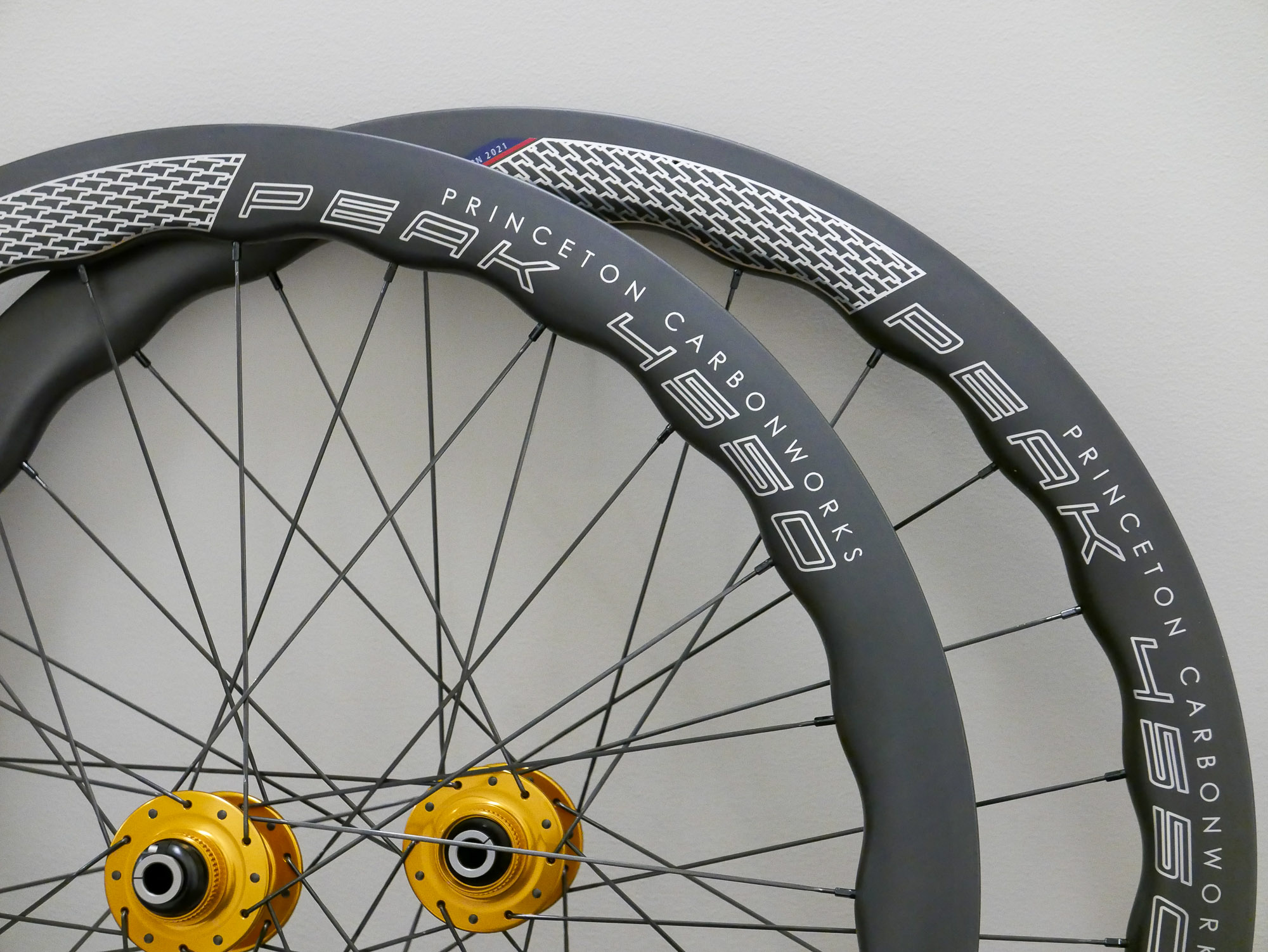
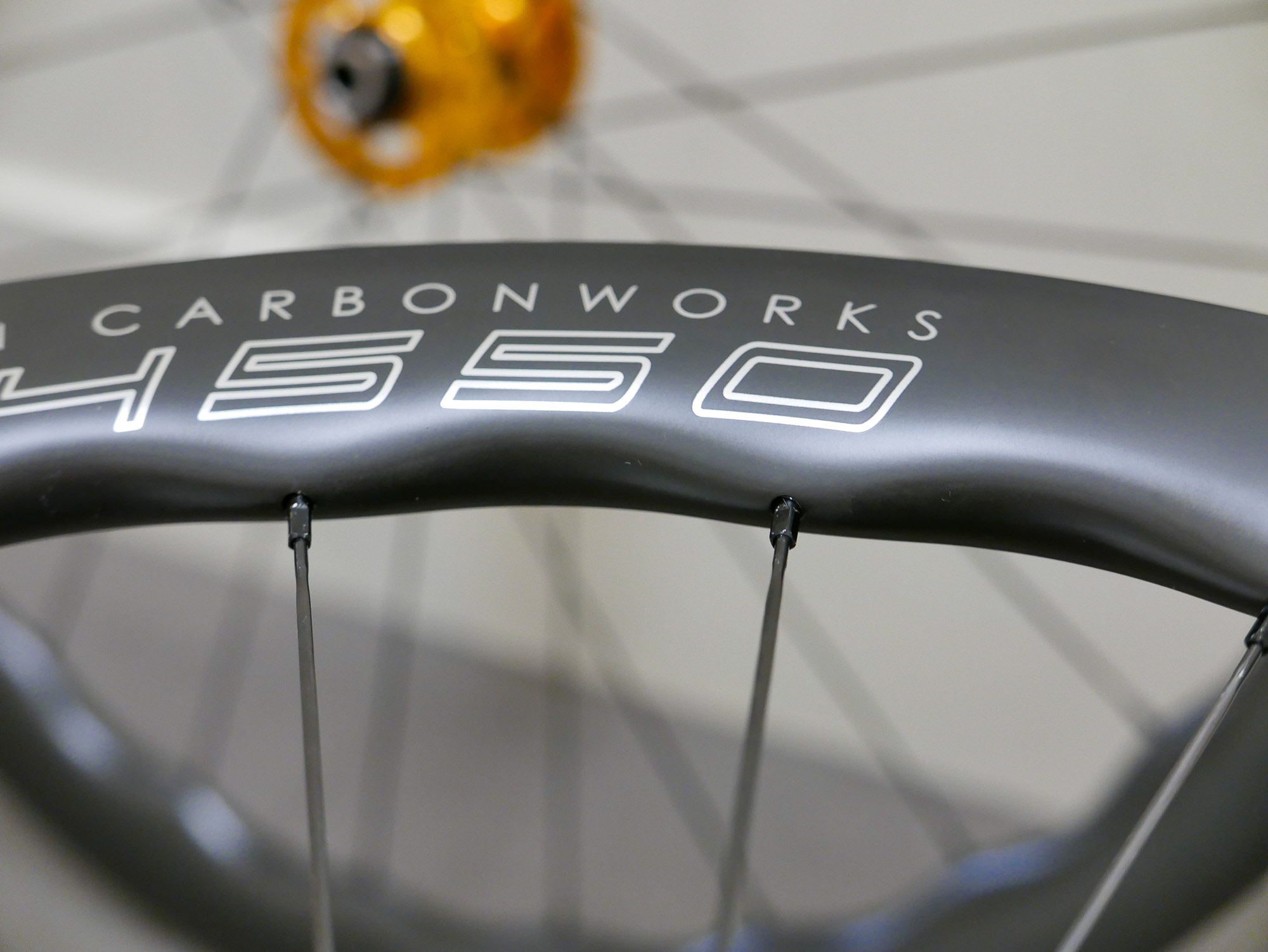
| Princeton Carbonworks 4550 * | $4000 | Hooked 21mm | 45-50 | 28.2 | 1460g |
| Zipp 303 Firecrest | $2050* | Hookless 25mm | 40 | 1438g** |
**note – this price represents rims on Zipp hubs, the tested models were using Chris King R45 Hubs – Zipp hubs are 1408g

Technology
Chris King use a rim that is manufactured by CSS components using a special Fusion Fiber material, which is a different composition of carbon material. Instead of a thermoset epoxy as the binder between the leaves of carbon used in traditional carbon fiber, it uses a thermoplastic Nylon which is then melted. One of Nylon’s material properties is absorbing vibrations and it’s damping properties. The benefit is the thermoplastic has a different structure and can be reheated and recycled easier and using less energy. Theres a great GCN video on this Fusion Fiber technology that I will link to later. Worth noting is that all carbon can be recycled, the systems and amount of energy required is different. Epoxy based carbon require a lot of heat in a pyrolosis process or a chemical process using a two stage solvolysis, both are a bit more complex than grinding and reforming of Nylon based carbon. The Zipps and the Princetons use similar materials, I cannot get at an exact spec but its a Unidirectional prepreg carbon with theromeset resin. So the Zipp and Princeton are similar. If we are going deeper, the CSS binder is tougher, absorbs vibration more but the traditional epoxy of others is stronger.
On the note of recycling: The current path for the FusionFiber material is that the old carbon is ground and then heat formed into new things, an example of this would be tire levers. Currently they are not able to make the grinds back into rims.


Tires used
Continental 28mm Grand Prix 5000 AS TR
Maxxis 30mm Fuse TR
Continental 28mm Grand Prix 5000 STR
Continental 30mm Grand Prix 5000 STR
Vittoria Corsa TLR 30mm
Schwalbe Pro One TLR 30mm
*I used everything as a tubeless setup and as a tubed setup

All the sensations
After back to back tests and many hours on each wheelset it’s easy to see that each has a subtle yet unique feel. The differences could be overlooked if not riding these wheels for duration, are subtle but they are there. They all perform like well designed expensive wheels, meaning theres no outstanding flaws or disadvantages. They all corner and track great. They go up and down hills great. The Princetons go up a little better (subjective), The ARD44’s hold flat speed better, probably due to rim weight.
Chris King ARD44
The most notable aspect of the ARD44 wheels is the feeling of smooth. We can all relate to the times when we are out on a ride and find that perfect fresh laid bitumen, that smooth feel of floating on your wheels, zipping across the fresh buttery glide, as if the carbon material is soaking up the micro jaggedy vibrations, thats what the ARD’s feel like even on rougher chip-seal.
Dealing with vibration and road noise differently, I found this to be a big differentiator when comparing Fusion fiber material to epoxy based carbon layups. This can be a love or hate factor depending on what you are used to and the sensation you desire. When riding gravel using a tire with higher volume tire (think a 40c and above) negated the vibration absorption characteristic of the fusion fiber rims, the vibration absorption was evident on road riding, skinnier tires slightly higher pressures.
The ARD44’s were the most grabby as far as cross winds are concerned and could tug the bar occasionally, if you are a smaller rider you may want to note this. The rim weight on this wheel is higher and had the highest interia of the set, this was noticed on flats, and some riders love this feel of the wheel propelling you forward, this of course has a relatively sluggier feel when riding up hill, as the wheels feel less snappy to transitions.
The other point to make here which seems obvious but this wheel is only available with Chris King R45 Hubs with SRAM or Shimano freehub.
The look :- Fusion fiber has a unique “quilted” attractive look, its slight to mid gloss.
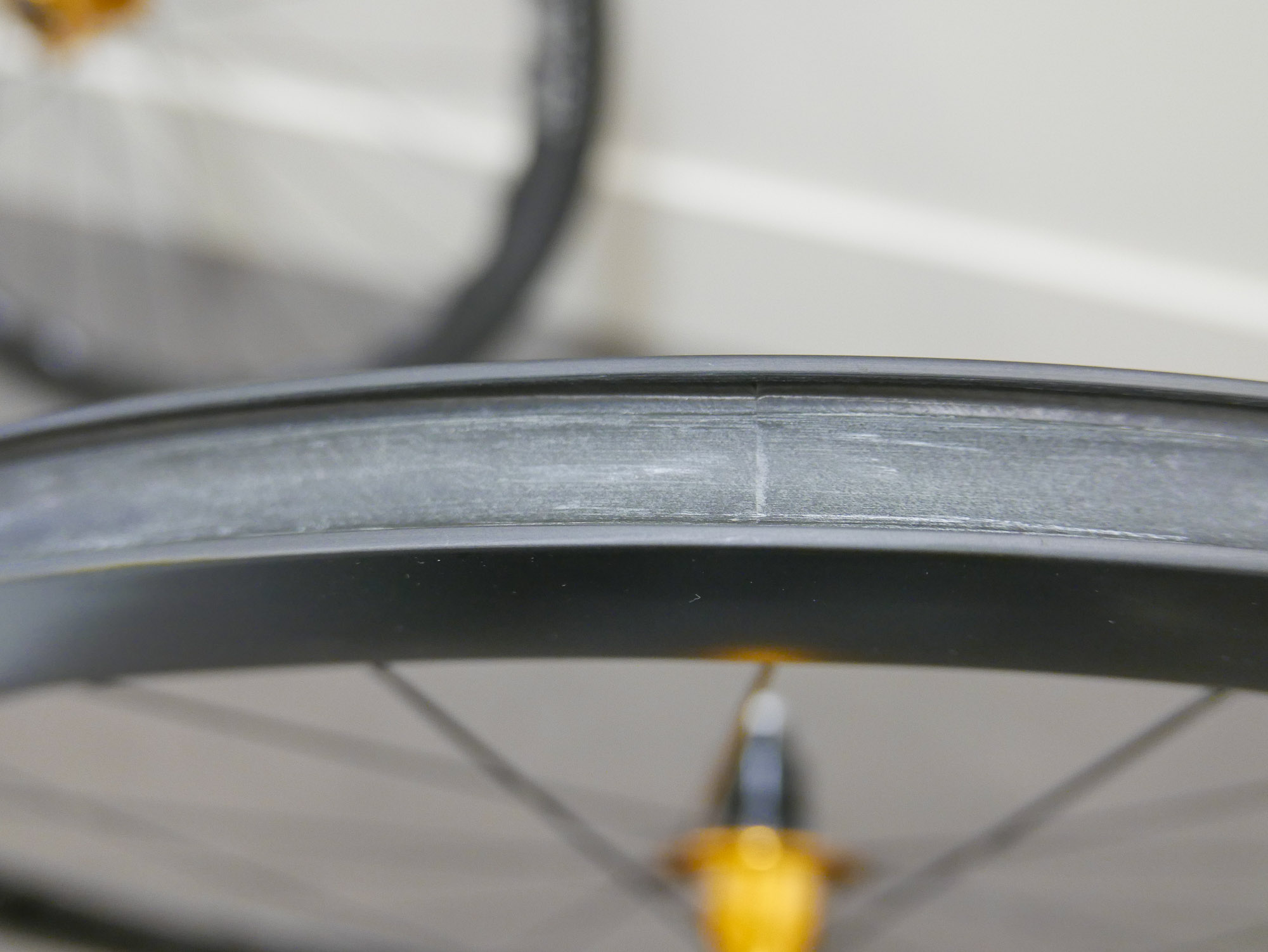
The Mount :- Princeton and the ARD44’s were the easiest to mount a 28c tyre on.
The Durability :- Im on my second set of ARD44’s. The first came out of true after a lot of miles and the nipples had some pucker at the rim bed. Something to watch out for.
Zipp 303 Firecrest
Where the 303’s excel is light gravel and rough surfaces, a confident planted feel that heads where you point them inspires confidence on these wheels. Mated with a nice wider 37 or 40c tire gives a great fast gravel setup which will garnish confidence and also have aero advantage on the flats. Especially when riding road, the 303’s feel the most “normal” or mainstream, as the Zipp wheels feel like a lot of other carbon wheels I have ridden, thats not to say they are bad, but they don’t inspire when used in a road context. If you are particularly in tune with wheel weights, at about 100g less these wheels did feel notably lighter than the ARD44’s and could be felt when climbing.
The Look :- flat black carbon, with a slight texture and dimple impression. large subtle decals
The Mount :– The Zipp 303’s were the most difficult to mount a 28c tyre, slice a tyre on the road and try and put a tube in?- not a chance, you are calling a cab.
The Durability :- nothing to note
Princeton 4550
I would call these the roadies road wheel, as the Princeton’s have a laser feel, you point the beam and they go. There’s a sublime efficiency that floods your senses as these wheels spin, its easy to imagine the energy from your legs getting turned into grippy friction at the road surface. In a way these are a little bit inverse of the ARD44’s as you tend to feel the road more with the Princeton’s. The Princeton’s feel snappy and responsive when jumped on, that’s predominant when putting the power down when climbing. They use epoxy carbon and the vibration pattern / transmission is similar to the Zipp’s. The Princeton’s seem to be the least affected by crosswinds for the given depth.
The Look : – unidirectional carbon, a little bit of a brush with an almost flat look, a slight gloss.
The Mount : – Princeton and the ARD44’s were the easiest to mount a 28c tyre on.
The Durability :- Nothing to note
Further review on the Princeton’s here
Speed
This is the most difficult subject to approach and not one i’m prepared to give a verdict on. Each brand will have their own tests, CFD modeling and wind-tunnel data. Typically 40-50mm rims are approximately 8-10watts saving at 45kph. Speed is also a very difficult aspect to subjectively judge here because of vibration characteristics ie the damped characteristic of the Chris Kings ARD44 can make you feel like they are slower due to the vibration transmitted in the rims being different, but in testing this may not be the case. Please note for optimum watts saved, each manufacturer recommends a specific tire size that they have been doing their windtunnel tests with. Typically a 28 or 29c. I suggest consulting their website.
Summary
Best for Gravel : Zipp 303
These wheels had the best ride on gravel. Best to handle and most predictable. The Princetons were the worst, which seemed to ping off the gravel and feel choppy.
Best for ultimate Road Speed : Princeton 4550
They cut like a knife, feel fast going up and down road, handle well and are least affected by side winds. These are also the easiest to mount tires to. Perhaps because they are a little less internal width than the others.
Best for all round : Chris King ARD44
Cannot decide where you wanna ride, or maybe you like to mix things up all in one ride then these might be for you. Capable on light gravel and road. I guess thats why they called them All Road Disc – ARD. The largest benefit is that they automatically come with Chris King’s legend R45 Hubs.
Best forgiving feeling : Chris King ARD44
The immediate compliance feels forgiving and smooth. You may or may not like this. User preference will prevail.
Most tyre compatible : Princeton 4550
This is simply because of the hooked rim allowing many tyre types including none tubeless.
Most commented: Princetons by far for the unique looks and the high end cache.
Best bang for the buck – Zipp 303 Firecrest (Zipp hubs)
Its hard to beat the pricetag on this wheel that will ride gravel great.
What ya gonna ride? let me know in the comments
Dynaplug – for those with tubeless
Park Multi Tool – I like the MTC10- TPU vs. Butyl Tubes: What You Need to Know
- Wahoo Trackr Radar and flashing unit competes with established Garmin Varia for top radar spot
- Crosspoint Gear and Showerspass waterproof knit gloves suck the vapid murk right out of the clouds
- My 2025 Top Indoor Training Accessories for a more enjoyable ride and Better Performance
- Product Review : Maximize Your Cycling with 4iiii (Foureye) Power Meters – Precision 3+ Review
Discover more from Buckyrides
Subscribe to get the latest posts sent to your email.
 Buckyrides
Leave a Reply