Intro
Is there much difference? When I first started to write this article, I thought there wasn’t going to be that much, but read on, theres quite a lot, it’s subtle but its there.
My aim here wasn’t to document all the differences, but more of the subtle ones that required a direct comparison, I categorised things into Usability, Battery, Install and Performance
Background
As a fairly early adopter of electronic shift systems, I have spent many years riding different brands.
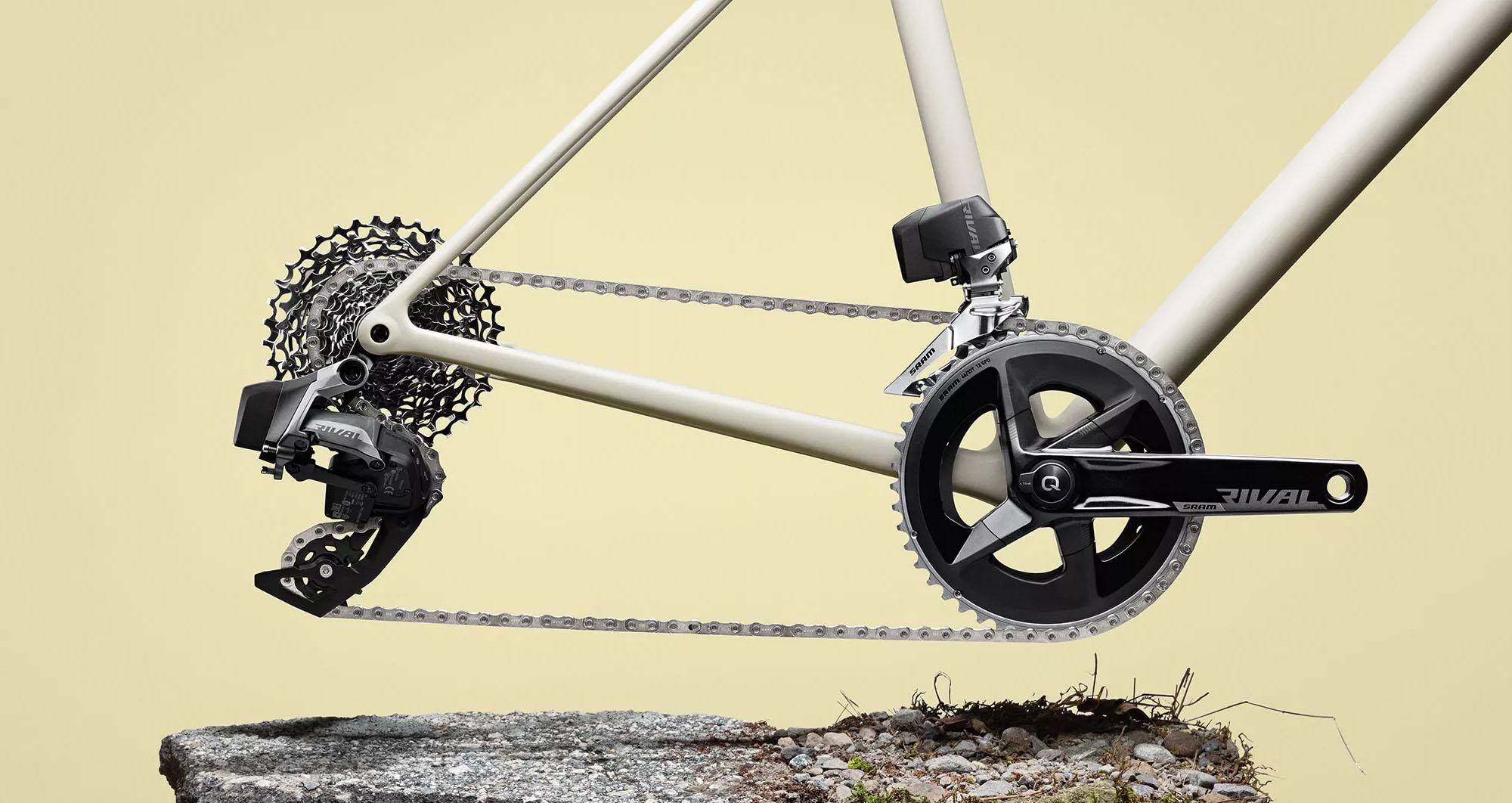
Three years on SRAM AXS – a road 2x setup and the prior three years on Shimano 1st Gen Di2 6800 compact road 2x on a gravel bike.
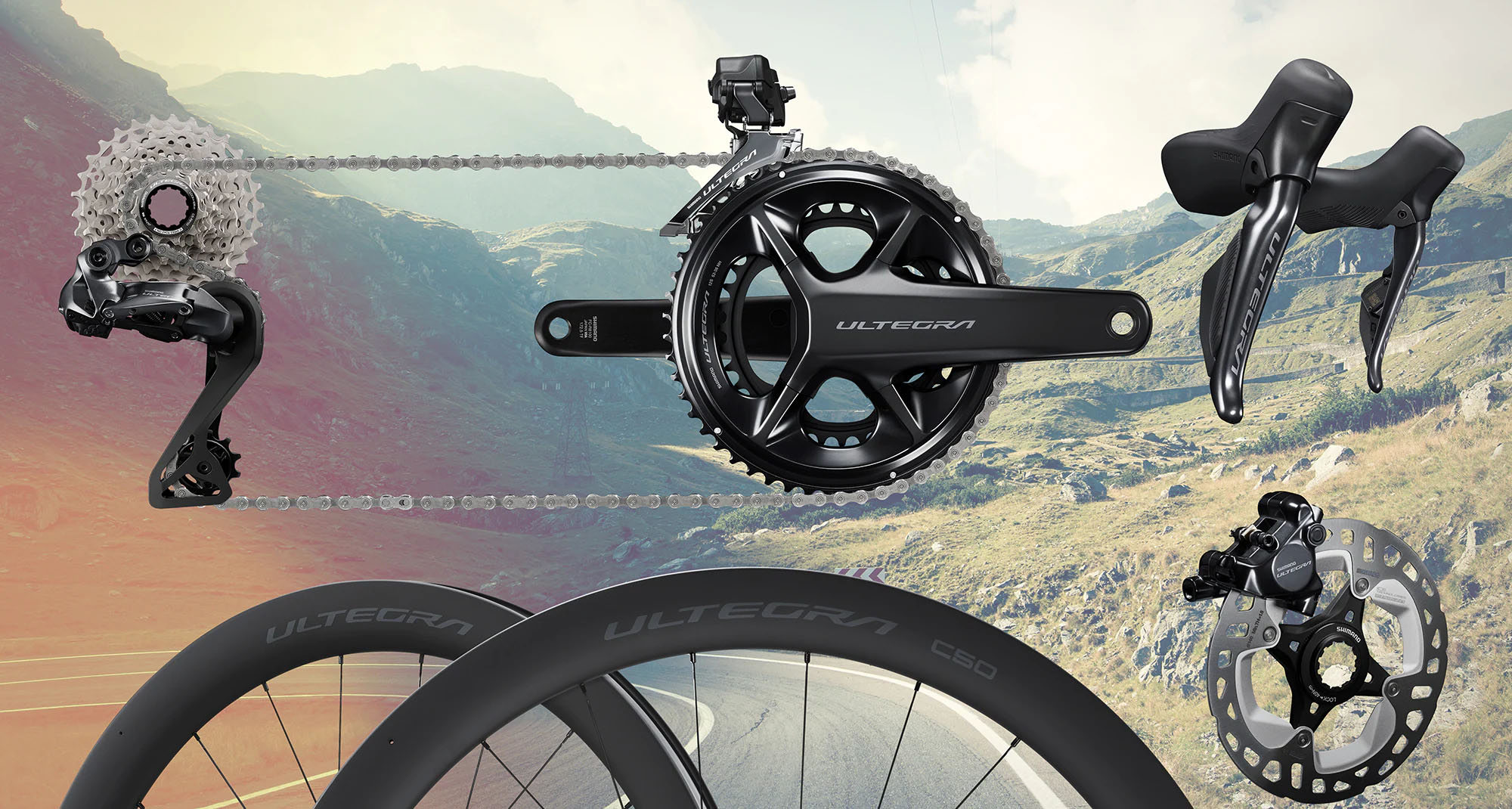
And recently Shimano for the 8170 Di2 series which represents Gen 3.
| SHIMANO Di2 | SRAM AXS |
|---|---|
| Usability | |
| Shimano’s shape and ergonomics of the handlebar shift levers are suited better to smaller hands. They are a little narrower and overall a little smaller. If you have L or XL gloves you will find either Shimano or SRAM comfortable. | SRAM’s hoods are more pronounced and some would say better as you feel like your hand cannot slip off as much. This is at the cost of being a touch larger than Shimano. |
| Using the controls to shifting gears – the front derailleur controls are on the left shifter, rear on right. (these can be customised in app but this is default) For many years this is how shimano have done things on non electronic groups. *please note in software controls can be customized | Left shifter easier gear, right harder gear on the back, to change the front derailleur you press both levers at once. … Personally I find this interface easier and more logical on SRAM, but you learn either method pretty fast and overall its probably super marginal. *please note in software controls can be customized |
| Rear Derailleur is low profile and doesn’t stick out much. Shimano’s mechanical design lets it sit inboard a little more, plus theres no large battery. | SRAM’s Derailleurs are naturally larger since the battery is mounted . The unit thus is a bit bulky, this took a little getting used to at first. |
| Removing and installing the rear wheel from a Shimano system is hands down easier. The mechanism and geometry of the derailleur make it smooth and its easy to line up the chain on the gears | Removing the wheel feels more cumbersome, spring tension? having to pull different? then the chain is hard to position on the gears before sliding into the frame. |
| Shimano has gear shift controls at the handlebars / hoods only. | SRAM’s derailleur’s have a gear shift button located on the derailleurs body. When working on or cleaning the bike in a workstand-stand it’s nice that the shifters could be locally manually shifted rather than reaching up or up and over to the bars. It’s a subtle feature that you miss when it’s gone. |
| Battery | |
| Shimano Di2 | SRAM AXS |
| The Battery level LED is on the spoke side of the rear derailleur. Press button on rear derailleur to check level, the LED shines on the cassette. Initially this is not as obvious as SRAM’s button location. Green = 100-51% Flashing Green = 50-26% Red = 25-1% | Battery level light is in a very obvious position on each derailleur which is helpful in a quick pre ride check. The check can be tripped conveniently from pressing the handlebar shifter paddle and looking down to see the light. Hit your shifters, see a red light, you know you are in need of a charge. |
| Battery Life is longer than SRAM. Supposedly 2x longer, – my results 545miles fairly hilly terrain, 36.8hours – down to the red light indicating 25%- 1% left. So a possibility there I could have gotten around 49hrs before battery died totally. Single DN300 battery is 500mAh | If you ride a lot, you will soon get irritated by the relatively short life batteries. Even though you aren’t, you will feel like you are charging them all the time. AXS batteries do have a nice feature that if dead you can pop them on the charger for 15 and they will be good for a single ride from empty. Each 25401 battery is 300mAh |
| Shimano’s shifters are wireless and use a 1632 Battery – this supposed lasts 2years. and is ever so slightly smaller than the battery used in SRAM. Shimano shifters have a small LED on the outside of the shifter, hold the two shifter buttons and it gives you a battery level. | Everything on SRAM is wireless. The shifters use 2032 battery. Each battery lasts 18months in shifters. The battery level of these shifters can be checked in the APP and somewhat awkwardly on the shifters by pressing the outside while looking at the inside of the paddle. |
| One cable to charge everything. Plug into the rear derailleur and charge. | Pop off individual batteries and plug them into a charger. If you have two batteries and 1 charger, they will have to take their turn or fork out for the multi bay charger. |
| Bluetooth connecting to the system is easy, one press via RD to connect the whole system | To connect you have to manually wake up and connect each component. RD, FD, Shifter 1, Shifter vs doing one connection and everything being there. |
| Installation | |
| Shimano Di2 | SRAM AXS |
| Front derailleur is easy to install and setup | Difficult to set up front derailleur, finicky in mechanical positioning. |
| Full setup of front and rear derailleur can be done via the app. in a guided manner. It’s really good. | Rear Derailleur adjustments can be done easily on the app. Initial setup is not via the app. |
| More wiring in Shimano system (battery to derailleurs). But this is a one time deal, remember you won’t have to do again. And the brake shifters are wireless for that clean front end. | All wireless |
| Brake calliper / rotor alignment is marginally more difficult than SRAMS. | SRAM’s more open caliper design allows for visually aligning rotors much easier. This is fairly marginal but can be pointed out. |
| Remember to buy a 160mm disc adapter. It’s not supplied with the calipers. | 160mm disc adapter comes in the box |
| Shimano’s system for installing hydraulic hoses is somewhat cumbersome but effective. I have had bad results with Shimano’s Easy Joint system and went back to the traditional placement of olive and barb method. | SRAMS system for installing hydraulic hoses is much superior as far as ease of setup. |
| Firmware updates are done wirelessly EXCEPT for the shifters, you have to plug them to the battery with an extra e tube wire! goofy, if you are installing at home, you could by a wire for $25 or go to your local shop. Shimano say wireless firmware updates are in the works. | All firmware updates are done wirelessly. Connecting to each component of the system. |
| Performance | |
| Shimano Di2 | SRAM AXS |
| Subtle smooth shifts that you either love or hate | Affirmative shifts that you either love or hate. |
| Very nice brake feel, more progressive via Servo Wave technology developed for mtb. Superior to SRAM | |
| Very fast rear shifts. To the point of Shimano give you a warning, that if you select the fastest shift speed and full multi-shift down the cassette, you can drop your chain off the front, the whiplash throws the chain. (Proven by myself) | Fast rear shifts |
| Spot on front shifts. Solid reliable | After you have dialled installation, front shifts are great. |
| Shimano doesn’t have a “clutch” setup in the rear derailleur. I immediately noticed this when switching from AXS with a little more chain noise against the chainstay when I hit potholes. | The AXS, Rival, Force and Red rear derailleurs have a type of tensioner system / clutch which keeps the pulley cage taught, chain. Purists will say that this costs you a watt or two in friction, which maybe correct. The upside is small jostles and gravel bumps don’t affect chain-line as much as they would on Shimano road derailleurs. |
| No brake reset is needed. | As you wear down your brake pads, sometimes the hydraulic system in SRAM’s design needs a piston reset to get the brakes to feel good again. It’s pretty easy to do, but you have to do it. |
Early Days
Early on with SRAM AXS I did have issues with front derailleur setup, and many of my friends did also. Often it would overshift or undershift we figured it out, but there wasn’t much support from SRAM back then. Nowadays SRAM have improved this, so I doubt there is need to worry, but it would be wise to research other users of your specific frame and AXS 2x setup.
NOTE: if you are out there suffering with this now, try adding a 0.5mm spacer on the drive side, that made a world of difference for me.
Summary
It sounds like a cop out, but both systems are truly great and offer top notch performance. There are some differences which are subtle and dependent on personal preferences. The big differences in my mind being battery life, quality of shifts and the size of components (I do like that Shimano’s rear derailleur is lower profile)
My recommendation is optimise for the features that matter the most to you. Think about your usage and what you are sensitive to. Neither system is perfect, but if you get the bang for buck where you need, thats what counts.
Please note this doesn’t really touch on the details and options with the SRAM AXS XPLR group.
Let me know what you think….
Cycling Gear that I like
Rock and Roll Gold – Chain Lube – super clean, wont gunk up with proven low friction. Great value.
Pedros Tyre Levers – Virtually unbreakable, easy to use, light and last a long time
Silca Ultimate Sealant : new and improved this Silca sealant clogs and lasts better than the competitors
Fillmore Tublesss Non Clog Valves – a little extra cost will save you a ton of hassle maintenance and worry
Muk Off – Tubeless Valves – great colour options, core removal tool, variety of valve bed seals
Muc-Off Bike Cleaner – effective, easy, non toxic, planet friendly
NOTE: The links in my posts are affiliate links meaning if you click through, I will get paid 1 or 2 cents by the seller if you purchase. This help me pay for website fees etc, and big picture doesn’t impact anything.
Latest Posts :-
- TPU vs. Butyl Tubes: What You Need to Know
- Wahoo Trackr Radar and flashing unit competes with established Garmin Varia for top radar spot
- Crosspoint Gear and Showerspass waterproof knit gloves suck the vapid murk right out of the clouds
- My 2025 Top Indoor Training Accessories for a more enjoyable ride and Better Performance
- Product Review : Maximize Your Cycling with 4iiii (Foureye) Power Meters – Precision 3+ Review
Discover more from Buckyrides
Subscribe to get the latest posts sent to your email.
 Buckyrides
I don’t know how to take this review. You completely misrepresent the SRAM AXS. Mine seems to last 500-600 miles. Not sure how often regular folks or even folks like you ride 500 miles a day. One might be tempted to think this was a paid advertisement for Shimano. I have a Shimano DI2 road bike. It’s great. But between DI2 and AXS ETAP, I much prefer AXS. And the difference in battery life is literally inconsequential for any human being.
LikeLike
It’s not about riding in one day, its the amount of miles between charges. The life also varies with terrain and shift habits of the rider. The SRAM system needs charging more frequently than Shimano.
LikeLike
With 9000 miles on an AXS ETAP road bike, I have a very different experience on battery life. During winter months, I’ve had to charge with as little as 540 miles since the previous charge. In summer, the distance between charges is above 700 miles and as high as 780 miles.
LikeLike
Thats great to get that amount of riding out of Sram. I ride a lot of hills, and probably shift a lot. Maybe when my batteries were new I might have gotten 500 after two years, certainly not.
LikeLike
Excellent coverage of all main issues/factors. Allows me to read the list and decide what matters most. They are neck and neck – I am tending to SRAM due to ease of battery charging/backup, and no short circuit issues. But I have already solved my front derailleur issue once, so that’s behind me.
Agree front derailleur SRAM is super finicky for setup but once done, no more shitty /catastrophic and dangerous chain drops.
Some minor things I’d add for completeness:
Sram: has “Blips” little remote control buttons you can place anywhere in handlebars for shifting (e.g. tri bars).
Both have sequential shifting (front derailleur selection done for you) that can be customised and it’s cool. Very cool.
Battery.
SRAM: it’s really convenient You can carry a spare (3rd) battery on Sram (just like you could with earlier di2). And you don’t need to position your bike near a Power source to charge a sram.
The di2 battery is user replaceable. I didn’t know that.
Battery drain / short circuits – seems to happen for some on Shimano. Never heard of it in a year of talking arms forums.
The terminals for SRAM button batteries in shifters are very delicate and frequently bent by users, which is expensive. Unsure if an issue on di2. Also some corrosion issues on SRAM battery terminals of sram – check grit on the seal or it’s not waterproof.
App updates. Just don’t bother if it’s working. Too many people get frozen /disconnected systems after firmware updates, and it’s a mystery to me why they are needed if everything is working. And it takes time, for , IMHO , no functionality gains.
TRANSPORT.
The dreaded issue is transport. A pressed button and the battery so drained in arrival. You can’t run off di2, and have to disconnect the battery. Much harder than uncoupling SRAM batteries and putting the cover on.
LikeLike
Great points thank you.
Regarding transportation : SRAM uses a vibration sensor to awaken the system. Shimano use two lever taps. On Shimano the system can be disabled by removing the electrical connection at the rear derailleur (thats where the brain is)
Great point on carrying a spare SRAM rechargeable battery, this is very difficult and impractical to do on Shimano (not impossible)
Sequential shifting on both systems works better under leisure or recreational riding. Under hard or racing efforts its not fool proof, especially if 2x and the front mech moves at the same time as the rear. Just my limited experience.
LikeLike